Have you ever stood in your kitchen and wondered about the real difference between herbs and spices? Many people use these words like they mean the same thing. But while herbs and spices both add flavor to food, they are not exactly alike.
Understanding herbs vs spices can help you cook better meals, grow your own kitchen garden, and even improve your knowledge of healthy ingredients. Whether you are making pasta, soup, curry, or tea, knowing when to use herbs and spices can completely change the taste of your food.
In this guide, we’ll explain what is the difference between herbs vs. spices, how they are used, where they come from, and why they matter in cooking.
What Are Herbs?
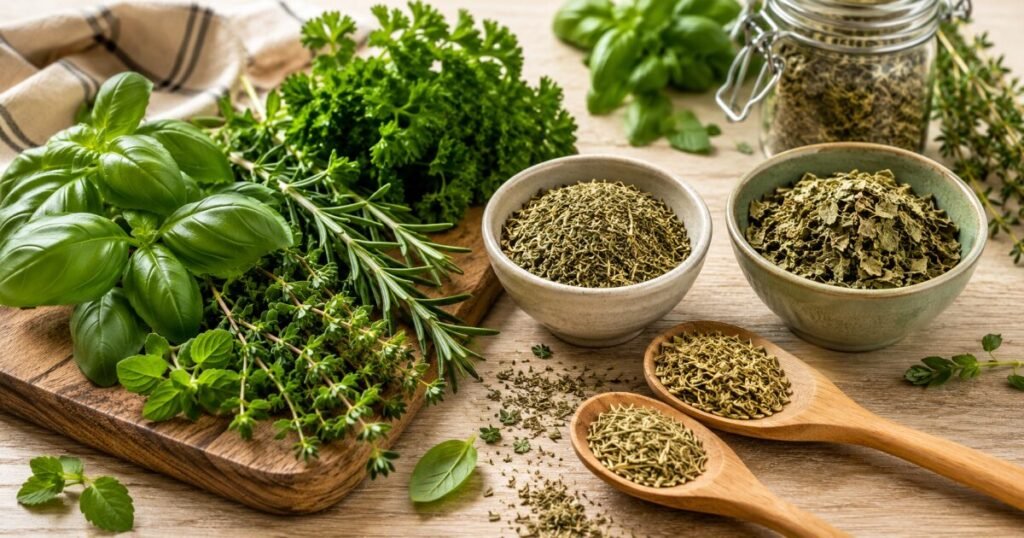
Herbs are usually the leafy green parts of a plant. They can be used fresh or dried and are often added to food for flavor, color, and aroma.
Most herbs come from plants that grow in mild climates and are commonly used in cooking, teas, and natural remedies.
Here are some Common herbs for cooking:
- Basil
- Mint
- Parsley
- Cilantro
- Oregano
- Thyme
- Rosemary
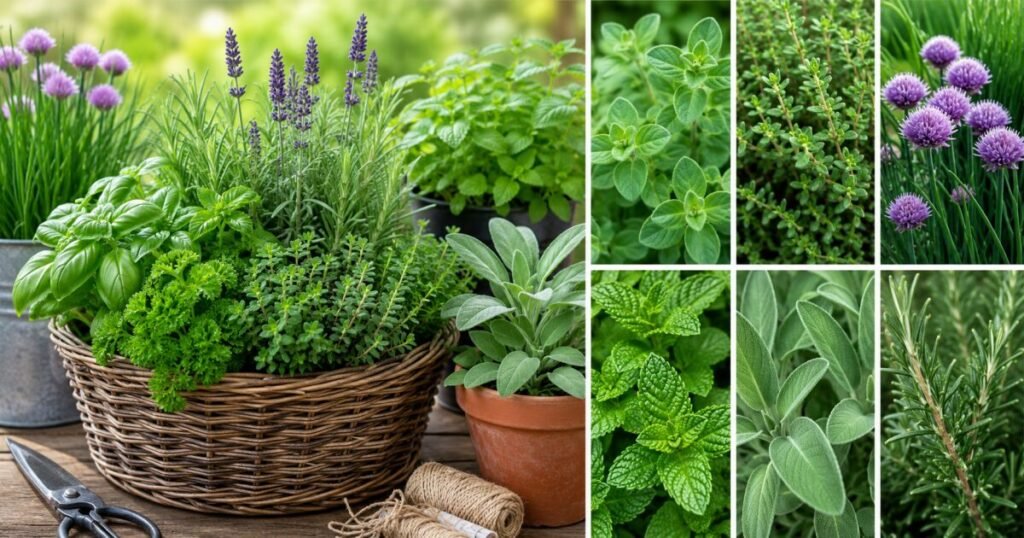
Herbs are often soft and green when fresh. Many people even grow them at home in small containers or indoor gardens.
Fresh herbs are commonly added near the end of cooking to keep their flavor strong and bright.
What Are Spices?
Spices come from other parts of a plant besides the leaves. They may come from:
- Seeds
- Roots
- Bark
- Fruits
- Flowers
Spices are usually dried before use and have a stronger flavor than herbs.
Common spices include:
- Cinnamon
- Black pepper
- Turmeric
- Cumin
- Ginger
- Cloves
- Nutmeg
Spices are often used in smaller amounts because their taste can be very powerful.
Unlike herbs, spices are usually added earlier during cooking so their flavors can mix deeply into the dish.
What Is the Difference Between Herbs vs. Spices?
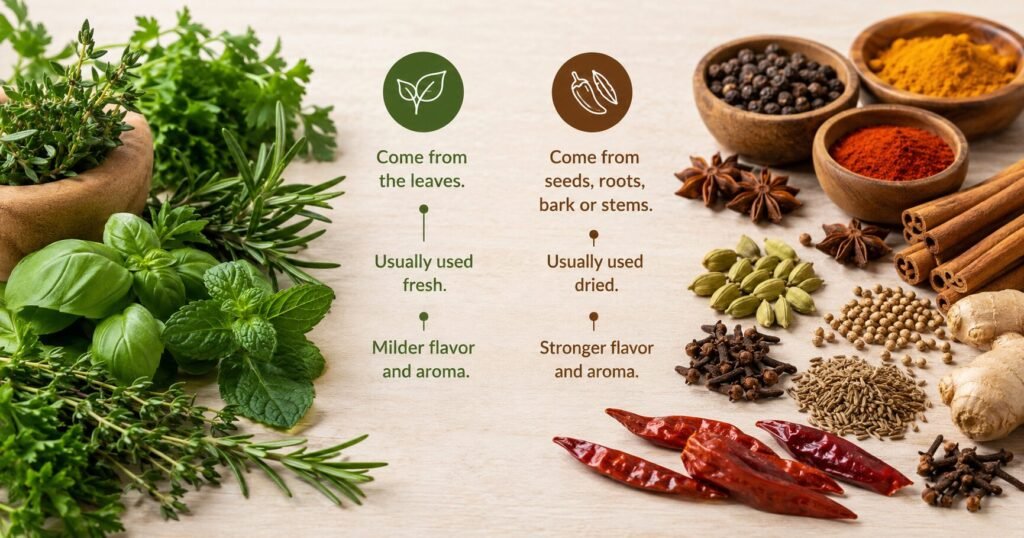
The main difference between herbs and spices is the part of the plant they come from.
Here is a simple explanation:
| Herbs | Spices |
| Usually come from leaves | Come from seeds, roots, bark, or stems |
| Often used fresh | Usually used dried |
| Mild flavor | Strong flavor |
| Green and soft | Hard or powder-like |
| Added later in cooking | Added earlier in cooking |
For example:
- Basil leaves are an herb.
- Cinnamon bark is a spice.
- Cilantro leaves are herbs, while coriander seeds from the same plant are spices.
This is one reason people often get confused about herbs vs spices.
Herbs vs Spices List
Here is a helpful herbs vs spices list to make things easier.
Common Herbs
- Basil
- Parsley
- Mint
- Thyme
- Oregano
- Dill
- Sage
- Rosemary
- Cilantro
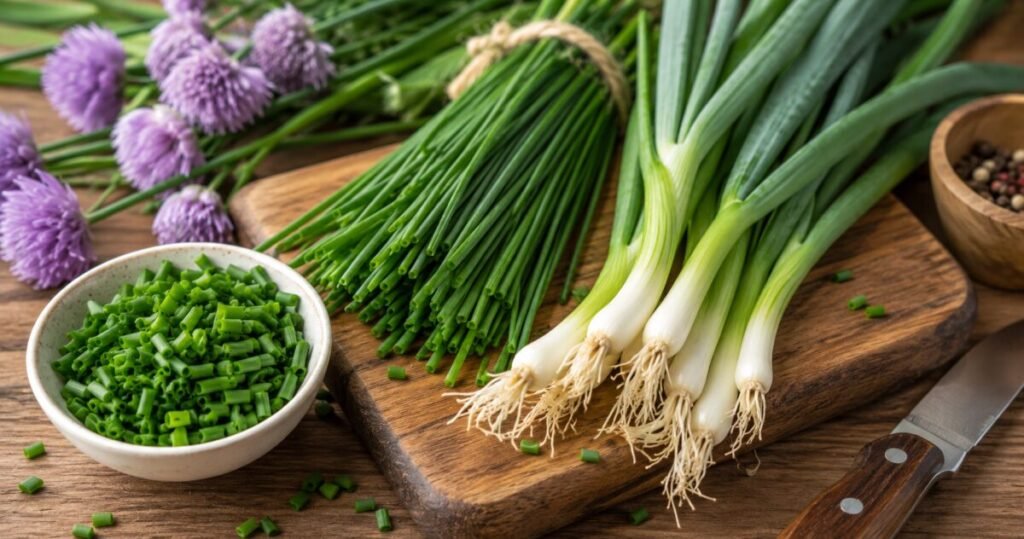
- Chives
Common Spices
- Black pepper
- Cinnamon
- Turmeric
- Paprika
- Cardamom
- Nutmeg
- Cloves
- Ginger
- Cumin
- Mustard seeds
Some plants can provide both herbs and spices depending on the part used.
For example:
| Plant | Herb Part | Spice Part |
| Coriander plant | Cilantro leaves | Coriander seeds |
| Dill plant | Dill leaves | Dill seeds |
Are Herbs Spices?
One common question people ask is: are herbs spices?
The short answer is no.
Herbs and spices are different, but they are closely related because both are used to flavor food. They both come from plants, but from different plant parts.
Still, in everyday conversation, many people group them together. That is why grocery stores often place herbs and spices in the same aisle.
So while all herbs are seasonings, not all herbs are spices.
Why Herbs and Spices Matter in Cooking
Herbs and spices do much more than make food taste good. They can:
- Add rich flavor without extra salt
- Improve the smell of food
- Make dishes look colorful
- Support healthy eating
- Help create unique cultural recipes
For example:
- Italian cooking often uses basil and oregano.
- Indian cooking uses spices like turmeric and cumin.
- Mexican dishes commonly include cilantro and chili powder.
Without herbs and spices, many foods would taste plain or boring.
Fresh Herbs vs Dried Herbs
Many people also wonder whether fresh herbs are better than dried herbs.
The answer depends on the recipe.
Fresh Herbs
Fresh herbs have:
- Bright flavor
- More moisture
- Strong aroma
- Fresh green color
They work well in salads, pasta, soups, and toppings.
Dried Herbs
Dried herbs have:
- Longer shelf life
- More concentrated flavor
- Easy storage
They are great for slow cooking and seasoning mixes.
A simple rule is:
Use dried herbs during cooking and fresh herbs near the end.
Whole Spices vs Ground Spices
Spices also come in different forms.
Whole Spices
Examples include:
- Peppercorns
- Cinnamon sticks
- Cloves
- Cardamom pods
Whole spices stay fresh longer and release flavor slowly.
Ground Spices
These are powdered spices like:
- Ground turmeric
- Chili powder
- Ground cinnamon
Ground spices are easier to use but may lose flavor faster over time.
For the best taste, store spices in a cool and dry place.
Health Benefits of Herbs and Spices
Another important part of the difference between herbs and spices is their health value.
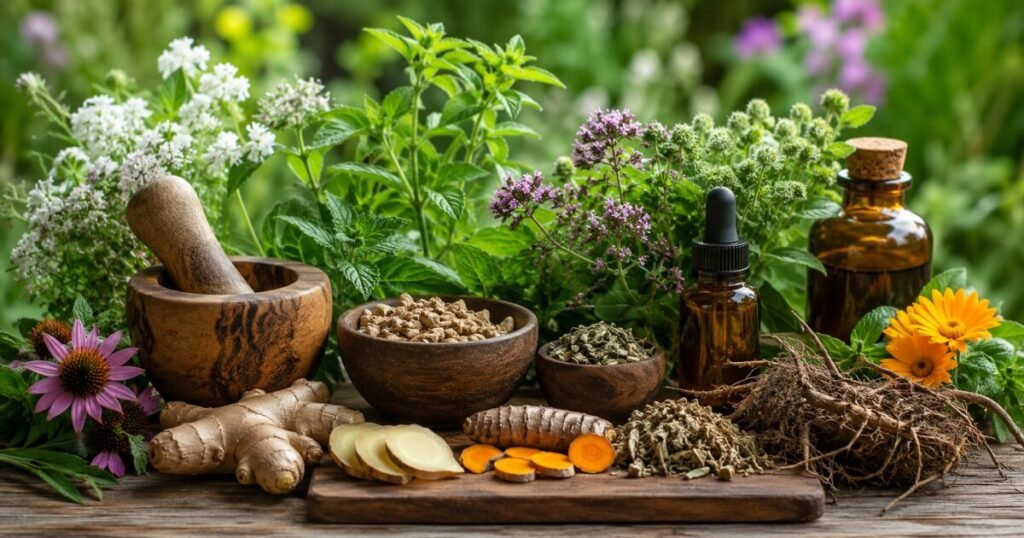
Many herbs and spices contain antioxidants and natural plant compounds that may support wellness.
Popular Herbs and Their Benefits
Basil
May support digestion and reduce inflammation.
Mint
Often used to help with stomach discomfort.
Rosemary
Contains antioxidants and may support memory.
Popular Spices and Their Benefits
Turmeric
Known for anti-inflammatory properties.
Ginger
Often used for nausea and digestion.
Cinnamon
May help support healthy blood sugar levels.
While herbs and spices are not medicine, they can be part of a healthy diet.
Can You Grow Herbs Indoors?
Yes, and that is one reason herbs are so popular.
Many herbs grow very well indoors, especially:
- Basil
- Mint
- Parsley
- Chives
- Thyme
Indoor herb gardens are simple to maintain and give you fresh flavor anytime you cook.
To grow herbs indoors, you usually need:
- Sunlight
- Good soil
- Small pots
- Regular watering
Fresh herbs from your kitchen garden can taste much better than store-bought dried herbs.
At Indoor Herb Garden Plans, you can learn more about growing herbs successfully at home.
How to Use Herbs and Spices Together
The best dishes often combine both herbs and spices.
For example:
Tomato Soup
- Herbs: Basil, oregano
- Spices: Black pepper, paprika
Curry
- Herbs: Cilantro
- Spices: Turmeric, cumin, ginger
Roasted Chicken
- Herbs: Rosemary, thyme
- Spices: Garlic powder, paprika
Balancing herbs and spices can make meals more flavorful and enjoyable.
Common Mistakes People Make
When learning about herbs vs spices, people often make a few common mistakes.
Using Too Much Spice
Spices are strong. Adding too much can overpower a dish.
Adding Fresh Herbs Too Early
Fresh herbs can lose flavor if cooked too long.
Storing Herbs and Spices Incorrectly
Heat, moisture, and sunlight can reduce flavor over time.
Keep them in sealed containers away from direct light.
How to Remember the Difference Between Herbs and Spices
Here is a simple trick:
- Herbs usually come from leaves.
- Spices usually come from roots, seeds, bark, or stems.
This easy rule helps most people remember the basics.
Herbs vs Spices in Different Cultures
Different cultures use herbs and spices in unique ways.
Mediterranean Cooking
Uses herbs like oregano, basil, and thyme.
Asian Cooking
Often includes ginger, turmeric, and star anise.
Middle Eastern Cooking
Uses spices such as cumin, cinnamon, and cardamom.
American Cooking
Commonly uses parsley, black pepper, garlic powder, and paprika.
The use of herbs and spices helps create the special flavors connected to each cuisine.
Final Thoughts on Herbs vs Spices
Understanding herbs vs spices is easier once you know where they come from.
- Herbs are usually leafy parts of plants.
- Spices come from seeds, bark, roots, and other plant parts.
Both are important in cooking and can improve flavor, aroma, and even nutrition.
Whether you are cooking dinner, making tea, or growing plants indoors, knowing the difference between herbs and spices can help you make smarter choices in the kitchen.
And if you love fresh flavors, starting a small indoor herb garden is a great way to enjoy herbs every day.
FAQs
1. What is the difference between herbs vs. spices?
Herbs usually come from the leafy green parts of plants, while spices come from seeds, roots, bark, or stems. Herbs often have a lighter flavor, while spices are usually stronger and more concentrated.
2. Are herbs spices?
No, herbs and spices are different. Both come from plants and are used for flavoring food, but they come from different parts of the plant.
3. Can a plant be both an herb and a spice?
Yes. Some plants provide both herbs and spices. For example, cilantro leaves are herbs, while coriander seeds from the same plant are spices.