Growing Herbs

Learn how to grow healthy indoor herbs with easy tips for watering, sunlight, containers, and beginner-friendly care.

Vertical Herb Garden Wall

Vertical Herb Garden Wall: The Complete Guide to Wall Herb Planter

Quick Answer: A vertical herb garden wall is a wall-mounted planting system that holds multiple herbs in pockets, pots, or shelves attached directly to an indoor wall, usually in the kitchen. It saves counter space, keeps herbs within easy reach while cooking, and works with felt pockets, resin planters, floating shelves, or modular panel systems, […]

Vertical Herb Garden Wall: The Complete Guide to Wall Herb Planter Read More »

Indoor Hydroponic Herb Garden

Indoor Hydroponic Herb Garden: How it Works and How to Start

Quick Answer: An indoor hydroponic herb garden grows herbs in nutrient-rich water instead of soil, using a system like Deep Water Culture, Kratky, or a wick setup to deliver water, nutrients, and oxygen directly to the roots. This typically produces faster growth and higher yields than soil-based indoor herb gardening, and it works year-round on

Indoor Hydroponic Herb Garden: How it Works and How to Start Read More »

Vertical Herb Garden Indoor

Vertical Herb Garden Indoor: Ideas, DIY Plans, and the Best Planters for Small Spaces

Quick Answer: An indoor vertical herb garden grows herbs upward instead of outward, using wall-mounted planters, tiered shelves, hanging pockets, or hydroponic towers to fit fresh herbs into a small kitchen, apartment, or windowsill. It’s the most space-efficient way to grow several herbs indoors without dedicating counter or floor space to individual pots. What Is

Vertical Herb Garden Indoor: Ideas, DIY Plans, and the Best Planters for Small Spaces Read More »

Best Indoor Herb Grower

Best Indoor Herb Grower: How to Choose One (Plus Top Picks for 2026)

Quick Answer: The best indoor herb grower for most people is a self-contained hydroponic system with a built-in LED grow light, such as the AeroGarden Harvest or Click & Grow Smart Garden. These systems handle watering, lighting, and nutrients automatically, producing harvestable herbs like basil and mint in 3–4 weeks with minimal effort. What Is

Best Indoor Herb Grower: How to Choose One (Plus Top Picks for 2026) Read More »

How Often to Water Herbs

How Often to Water Herbs? Indoor, Outdoor, and Potted Herb Watering Guide

How often to water herbs? Most herbs need watering 1–3 times per week, depending on whether they are grown indoors, outdoors, or in pots. Instead of following a strict schedule, water herbs when the top 1–2 inches of soil feel dry. Potted herbs usually need more frequent watering than herbs planted in the ground, while

How Often to Water Herbs? Indoor, Outdoor, and Potted Herb Watering Guide Read More »

Companion Herbs for Your Vegetable Garden

Top 6 Companion Herbs for Your Vegetable Garden

The best companion herbs for your vegetable garden are basil, dill, chives, oregano, thyme, and borage. These herbs help repel common garden pests, attract beneficial pollinators and predatory insects, improve biodiversity, and can even enhance the growth and flavor of nearby vegetables. Choosing the right companion herbs creates a healthier, more productive vegetable garden naturall

Top 6 Companion Herbs for Your Vegetable Garden Read More »

Bonnie Plants

Are Bonnie Plants Worth It for Indoor Herb Gardens? Honest Review + Better Alternatives

If you’ve walked through Lowe’s, Home Depot, or Walmart lately, chances are you’ve seen rows of herbs and vegetable starters from Bonnie Plants. Their basil, mint, rosemary, parsley, and thyme plants are everywhere, especially during the spring and summer gardening season. But many beginner gardeners ask the same question: Are Bonnie Plants actually worth buying

Are Bonnie Plants Worth It for Indoor Herb Gardens? Honest Review + Better Alternatives Read More »

Basil Turns Black

Why Basil Turns Black Indoors (+ 7 Quick Fixes That Actually Work)

Basil turns black indoors most commonly because of overwatering, cold temperatures, poor airflow, insufficient sunlight, fungal diseases, or physical damage to the leaves and stems. To fix the problem, allow the soil to dry slightly between waterings, place the plant in at least 6–8 hours of bright sunlight, maintain indoor temperatures between 65–85°F (18–29°C), improve

Why Basil Turns Black Indoors (+ 7 Quick Fixes That Actually Work) Read More »

Herbs That Grow in Low Light

11 Best Herbs That Grow in Low Light Apartments (Beginner Friendly Guide)

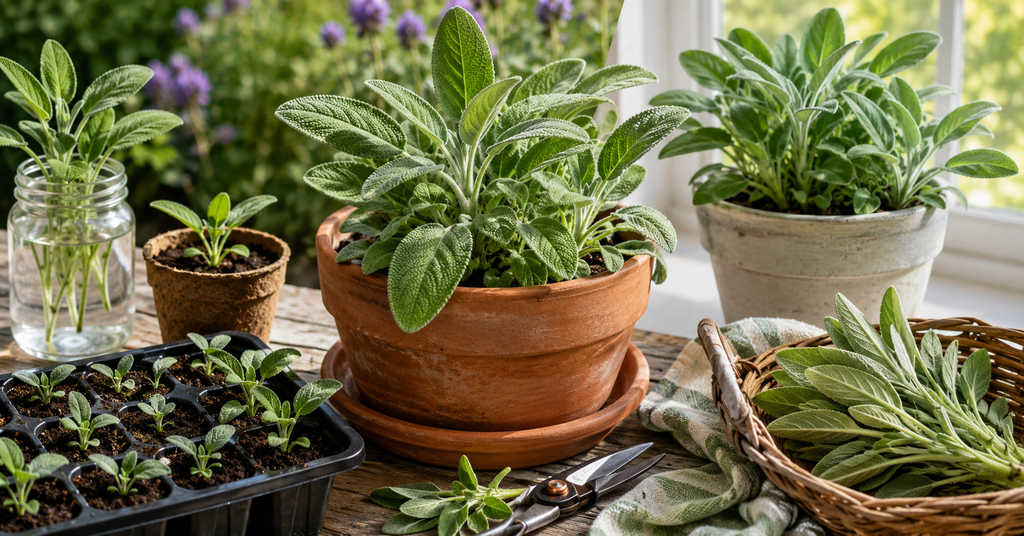
What are the best herbs that grow in low light apartments? The best herbs that grow in low light apartments are mint, parsley, chives, lemon balm, cilantro, thyme, oregano, bay laurel, sage, Vietnamese coriander, and shiso. These herbs tolerate indirect or filtered sunlight better than most edible plants, making them excellent options for apartments, small

11 Best Herbs That Grow in Low Light Apartments (Beginner Friendly Guide) Read More »

my indoor herbs keep dying

Why Do My Indoor Herbs Keep Dying? 11 Common Mistakes and Easy Fixes for Beginners

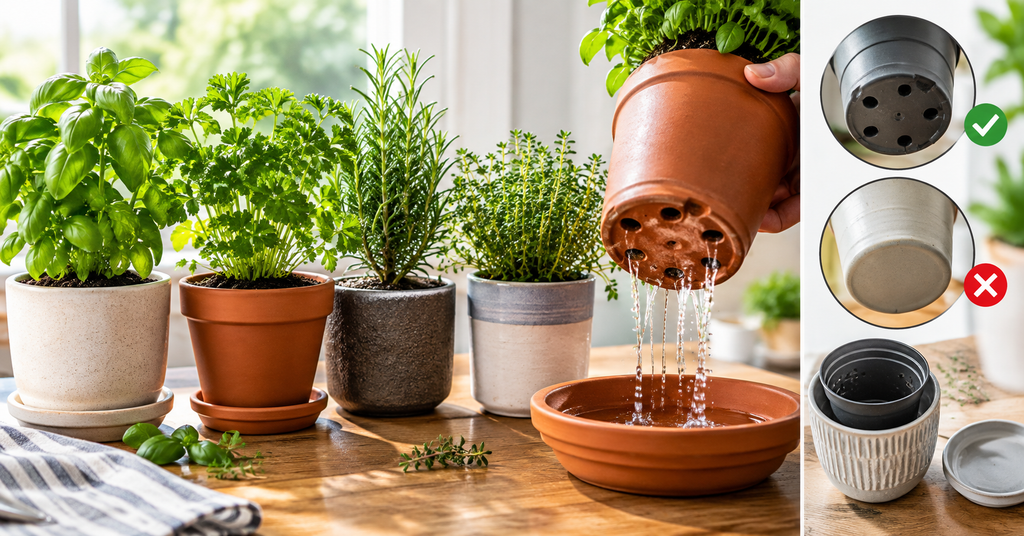
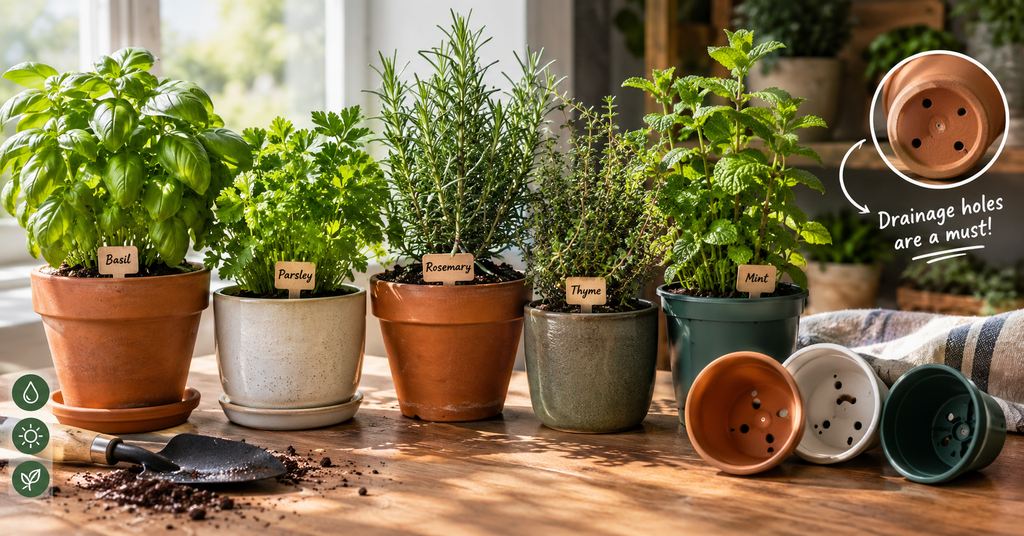
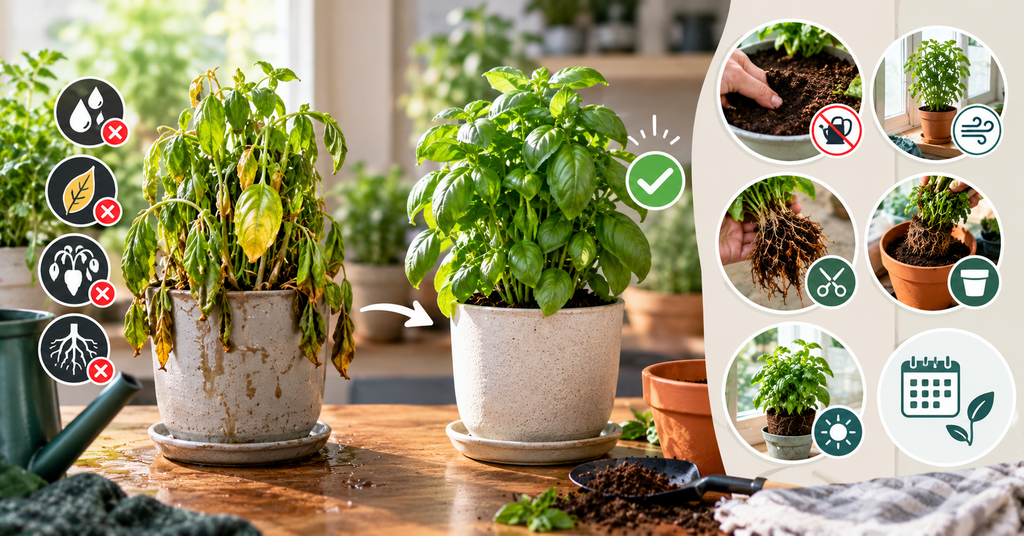
Why do my indoor herbs keep dying? Indoor herbs usually die because they don’t receive enough sunlight, are watered too much or too little, have poor drainage, lack proper airflow, or are grown in the wrong containers. Most beginner problems are easy to fix by improving light, watering only when the soil needs it, and

Why Do My Indoor Herbs Keep Dying? 11 Common Mistakes and Easy Fixes for Beginners Read More »