
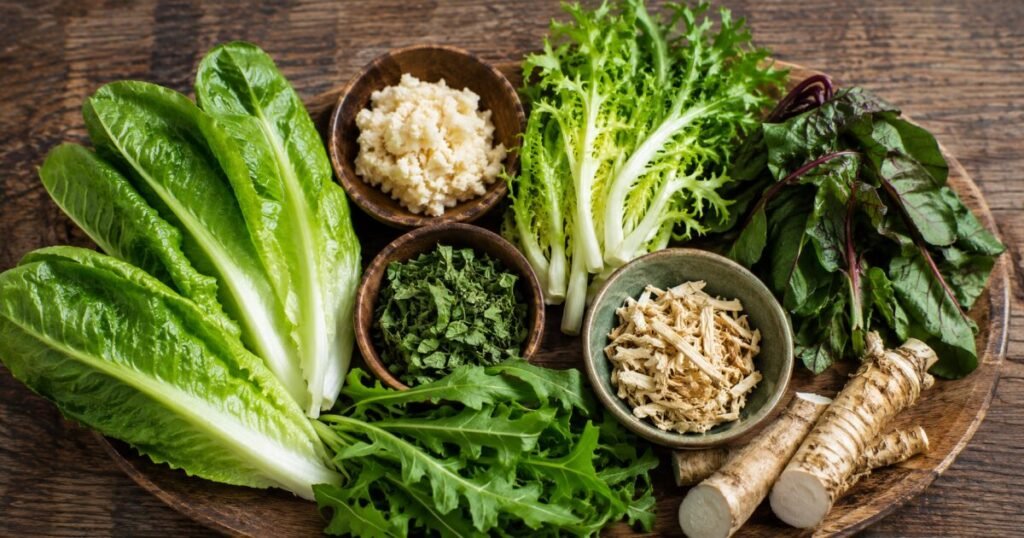
Bitter herbs are plants with a naturally bitter taste that have been used for centuries in traditional medicine, cooking, and religious practices. In the Bible, bitter herbs symbolize suffering and remembrance, especially during the Jewish Passover meal. Common bitter herbs include horseradish, romaine lettuce, chicory, dandelion, and wormwood. Many bitter herbs are also valued for supporting digestion, liver function, and overall wellness.
Bitter herbs have been used for thousands of years in religious traditions, natural medicine, and culinary practices. They are most commonly associated with the Jewish Passover celebration, where they symbolize the hardships endured by the Israelites in ancient Egypt. However, bitter herbs are much more than a religious symbol. Many of these plants are valued for their digestive, nutritional, and medicinal properties.
If you’ve ever wondered what are bitter herbs, what are bitter herbs in the Bible, or what are bitter herbs for Passover, this guide covers everything you need to know. You’ll learn about their biblical significance, discover a complete bitter herbs list, and explore their potential health benefits.
What Are Bitter Herbs?
Bitter herbs are plants, leaves, roots, or greens that have a naturally bitter taste. Throughout history, people have used bitter herbs for food, medicine, and religious ceremonies.
The bitterness comes from naturally occurring compounds that many plants produce. These compounds often stimulate digestion and can contribute to the unique flavors found in certain vegetables and herbs.
Some common examples of bitter herbs include:
- Horseradish
- Romaine lettuce
- Endive
- Chicory
- Dandelion greens
- Mustard greens
- Wormwood
- Yarrow
Today, bitter herbs are commonly used in salads, herbal teas, digestive tonics, and traditional cultural celebrations.
What Are Bitter Herbs in the Bible?
When people ask what are bitter herbs in the Bible, they are usually referring to the herbs mentioned in the Passover story.
The Bible first references bitter herbs in the book of Exodus. God instructed the Israelites to eat roasted lamb along with unleavened bread and bitter herbs before they departed from Egypt.
The bitter herbs served as a reminder of the bitterness of slavery and suffering that the Israelites experienced under Egyptian rule.
This instruction became a lasting tradition that continues to be observed during Passover celebrations today.
Biblical Reference
Exodus 12:8 states:
“That same night they are to eat the meat roasted over the fire, along with bitter herbs, and bread made without yeast.”
The exact species of herbs are not specified in the biblical text, leading Jewish scholars and traditions to identify several acceptable bitter plants over time.
Bitter Herbs in the Bible: Symbolic Meaning
The significance of bitter herbs in the Bible goes beyond their flavor.
They symbolize:
1. The Hardships of Slavery
The bitterness reminds participants of the suffering endured by the Israelites while living as slaves in Egypt.
2. Remembrance of History
Eating bitter herbs helps preserve the memory of an important event in Jewish history.
3. Gratitude for Freedom
The contrast between bitterness and liberation encourages appreciation for freedom and deliverance.
4. Spiritual Reflection
Many religious traditions use symbolic foods to encourage reflection, humility, and gratitude.
Why Are Bitter Herbs Eaten During Passover?
One of the most common questions is: What are bitter herbs for Passover?
During the Passover Seder meal, bitter herbs—known in Hebrew as Maror—are eaten to fulfill the biblical commandment and remember the hardships of slavery in Egypt.
The practice serves as a powerful reminder that freedom often follows struggle and perseverance.
Bitter Herbs Passover Tradition
In many Jewish households, participants eat bitter herbs either alone or with unleavened bread (matzah).
The sharp taste creates a memorable sensory experience that connects modern generations with ancient history.
What Are Bitter Herbs for Passover?
Jewish tradition recognizes several plants as suitable bitter herbs for Passover.
The most commonly used options include:
Horseradish
Horseradish is perhaps the most recognizable Passover bitter herb.
Its intense flavor and pungent aroma create a strong sensation that effectively symbolizes bitterness.
Romaine Lettuce
Many communities use romaine lettuce because it begins with a mild taste before becoming increasingly bitter.
This characteristic is often interpreted as symbolic of how the Israelites’ situation gradually worsened in Egypt.
Endive
Endive is another leafy vegetable known for its distinctly bitter taste and is accepted in some traditions.
Chicory
Chicory has long been valued for both culinary and medicinal purposes and may also be used as a bitter herb.
Complete Bitter Herbs List
If you’re looking for a comprehensive bitter herbs list, here are some of the most commonly recognized bitter plants.
Traditional Passover Bitter Herbs
- Horseradish
- Romaine lettuce
- Endive
- Chicory
Culinary Bitter Herbs and Greens
- Dandelion greens
- Mustard greens
- Arugula
- Radicchio
- Kale
- Watercress
Medicinal Bitter Herbs
- Wormwood
- Yarrow
- Gentian root
- Angelica root
- Mugwort
- Blessed thistle
Many of these herbs are used in herbal remedies, digestive formulas, and traditional wellness practices around the world.
How Bitter Herbs Are Used During the Passover Seder
The Seder meal follows a specific order of symbolic foods and rituals.
When the bitter herbs are eaten, participants often recite blessings and discuss the meaning behind the tradition.
The herb may be:
- Eaten alone
- Combined with unleavened bread
- Paired with sweet charoset in some customs
The combination of bitter and sweet flavors symbolizes both suffering and redemption.
Health Benefits of Bitter Herbs
While bitter herbs are best known for their religious significance, many are also valued for their potential health benefits.
1. May Support Digestion
Bitter compounds can stimulate digestive juices and enzymes, helping the body process food more efficiently.
2. May Encourage Healthy Appetite Regulation
Traditionally, bitter herbs have been used before meals to prepare the digestive system.
3. Rich in Nutrients
Many bitter greens contain:
- Vitamin A
- Vitamin C
- Vitamin K
- Folate
- Potassium
- Calcium
4. Contain Plant Antioxidants
Many bitter herbs contain antioxidants that help protect plant tissues and may contribute to overall wellness when included as part of a balanced diet.
5. Support Dietary Variety
Including a range of flavors—including bitterness—can encourage a more diverse and nutritious diet.
Growing Bitter Herbs at Home
If you enjoy gardening, several bitter herbs are easy to grow.
Popular options include:
Dandelion
Dandelions grow quickly and produce edible leaves that become more bitter as they mature.
Chicory
Chicory thrives in many climates and can be harvested for both leaves and roots.
Endive
Endive is a cool-season crop that performs well in home gardens.
Arugula
Arugula develops a pleasantly peppery bitterness and grows rapidly indoors or outdoors.
For indoor gardeners, many of these herbs can be grown in containers with adequate sunlight and well-draining soil.
Are Bitter Herbs Still Relevant Today?
Absolutely.
Bitter herbs continue to play important roles in:
- Passover celebrations
- Traditional herbal medicine
- Modern nutrition
- Home gardening
- Culinary traditions
As interest in natural foods and historical traditions grows, many people are rediscovering the value of bitter plants in both their diets and cultural practices.
Frequently Asked Questions
What are bitter herbs in the Bible?
In the Bible, bitter herbs were eaten during the first Passover meal to symbolize the suffering of the Israelites in Egypt.
What are bitter herbs for Passover?
Passover bitter herbs, known as Maror, are traditionally eaten during the Seder meal to remember the hardships of slavery.
What herbs are commonly used for Passover?
Horseradish, romaine lettuce, endive, and chicory are among the most common bitter herbs used during Passover.
Why do bitter herbs taste bitter?
They contain natural plant compounds that create a bitter flavor and may help stimulate digestion.
Are bitter herbs healthy?
Many bitter herbs are rich in vitamins, minerals, antioxidants, and plant compounds that can support a healthy diet.
Final Thoughts
Understanding what are bitter herbs reveals a fascinating connection between history, faith, nutrition, and nature. Whether you’re exploring bitter herbs in the Bible, preparing for a Passover Seder, researching a bitter herbs list, or learning about their health benefits, these plants have a rich legacy that spans thousands of years.
From horseradish and romaine lettuce to chicory and dandelion greens, bitter herbs continue to serve as meaningful symbols and valuable additions to modern diets. Their enduring role in both tradition and wellness makes them an intriguing subject for anyone interested in herbs, gardening, or cultural history.