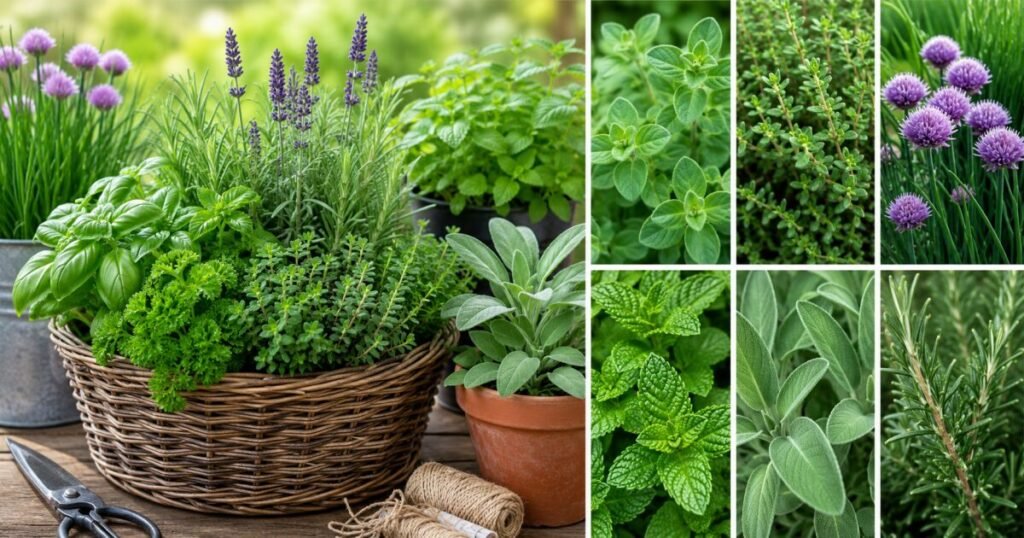
What herbs are perennials?
Perennial herbs are herbs that survive for multiple growing seasons, returning year after year without replanting. Popular perennial herbs include thyme, sage, oregano, mint, chives, rosemary, lavender, lemon balm, and tarragon. Most perennial herbs are low-maintenance, making them ideal for home gardens, although their cold hardiness varies by USDA growing zone.
If you want an herb garden that keeps producing year after year, perennial herbs are one of the smartest choices you can make. Unlike annual herbs that need replanting every season, perennial herbs return each year from the same roots, saving time, money, and effort.
Whether you’re planning an outdoor herb bed, a container garden, or an indoor herb garden, understanding which herbs are perennial can help you create a low-maintenance and productive space.
In this guide, you’ll learn what herbs are perennials, discover a complete perennial herbs list, find the best perennial herbs that grow in shade, and learn how to care for them successfully in different growing zones.
What Are Perennial Herbs?
Perennial herbs are herbs that live for more than two years and regrow each growing season without needing to be replanted. After becoming established, these plants continue producing leaves, flowers, or stems year after year.
Most perennial herbs enter a dormant period during winter and resume growth when temperatures warm in spring.
Annual vs. Biennial vs. Perennial Herbs
| Type | Lifespan | Examples |
| Annual Herbs | One growing season | Basil, Dill, Cilantro |
| Biennial Herbs | Two years | Parsley, Caraway |
| Perennial Herbs | Three years or more | Mint, Oregano, Sage |
For gardeners looking for long-term success, perennial herbs are often the most practical option.
Are Any Herbs Perennial?
Yes. Many popular culinary and medicinal herbs are perennial.
Some of the most common perennial herbs include:
- Mint
- Oregano
- Thyme
- Sage
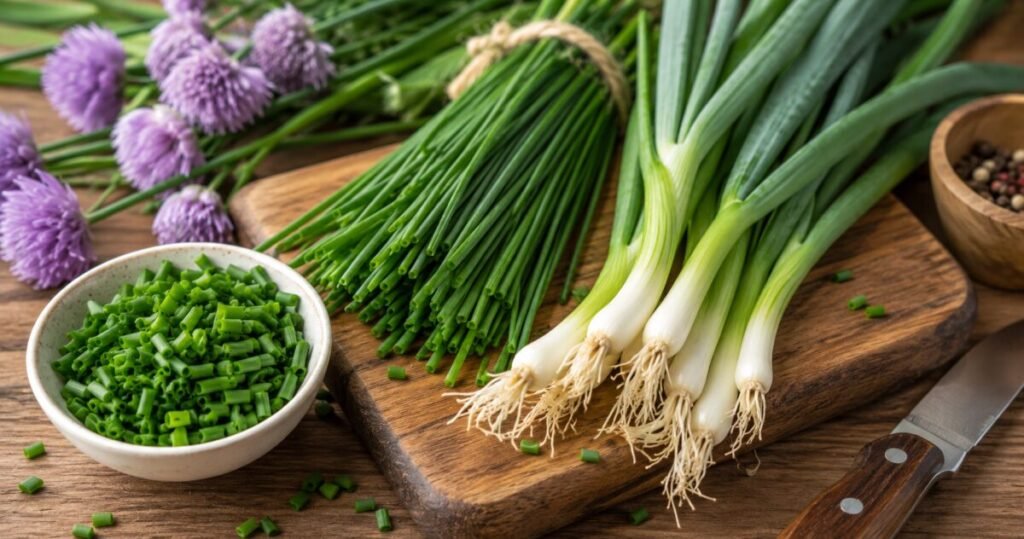
- Chives
- Lavender
- Lemon Balm
- Tarragon
- Winter Savory
- Lovage
- Hyssop
- Rosemary (in warmer climates)
These herbs can survive for many years when grown in suitable conditions.
Which Herbs Are Perennial?
The answer depends partly on your climate and growing zone. However, many herbs naturally return every year and are considered reliable perennial plants.
Gardeners often choose perennial herbs because they:
- Require less replanting
- Reduce gardening costs
- Improve garden biodiversity
- Attract pollinators
- Produce harvests for many years
Complete Perennial Herbs List
Below is a comprehensive perennial herbs list that includes some of the most popular choices for home gardens.
| Herb | USDA Zones | Sun Requirements | Shade Tolerance |
| Mint | 3–11 | Full Sun to Partial Shade | Excellent |
| Oregano | 4–10 | Full Sun | Moderate |
| Thyme | 5–9 | Full Sun | Low |
| Sage | 4–10 | Full Sun | Moderate |
| Chives | 3–9 | Full Sun to Partial Shade | Good |
| Lavender | 5–9 | Full Sun | Low |
| Lemon Balm | 4–9 | Full Sun to Partial Shade | Excellent |
| Tarragon | 4–8 | Full Sun | Moderate |
| Winter Savory | 5–8 | Full Sun | Low |
| Lovage | 3–8 | Full Sun to Partial Shade | Good |
| Hyssop | 4–9 | Full Sun | Moderate |
| Sorrel | 4–9 | Full Sun to Partial Shade | Good |
| Bee Balm | 4–9 | Full Sun to Partial Shade | Good |
| Rosemary* | 8–11 | Full Sun | Low |
*Rosemary behaves as a perennial in warm climates and may need winter protection in colder zones.
Best Perennial Herbs for Beginners
If you’re new to gardening, start with herbs that are forgiving and easy to maintain.
Mint
Mint grows vigorously and tolerates a wide range of conditions. It’s ideal for teas, desserts, and beverages.
Chives
Chives are cold-hardy and provide fresh onion-like flavor throughout the growing season.
Oregano
A staple in Mediterranean cooking, oregano thrives in sunny locations and requires minimal maintenance.
Lemon Balm
Known for its pleasant citrus scent, lemon balm grows rapidly and performs well in partial shade.
Thyme
Thyme is drought-tolerant and perfect for herb borders, containers, and rock gardens.
Perennial Herbs That Grow in Shade
Many gardeners struggle with areas that receive limited sunlight. Fortunately, several perennial herbs that grow in shade can thrive in these conditions.
1. Mint
Mint performs exceptionally well in partial shade and often grows more lush than in intense summer sun.
2. Lemon Balm
This hardy herb tolerates shade while producing fragrant leaves perfect for herbal teas.
3. Chives
Chives can adapt to partial shade and continue producing flavorful leaves.
4. Lovage
Lovage appreciates afternoon shade in warmer climates and grows into a large, productive plant.
5. Sorrel
Sorrel remains tender longer when grown in partial shade.
6. Sweet Cicely
Sweet Cicely is an attractive perennial herb that naturally grows in woodland environments.
7. Bee Balm
Bee Balm tolerates partial shade and attracts bees, butterflies, and hummingbirds.
Perennial Herbs by Growing Zone
Choosing herbs based on your growing zone increases the likelihood of long-term success.
Cold Climate Perennial Herbs (Zones 3–5)
These herbs tolerate harsh winters:
- Chives
- Mint
- Lovage
- Sorrel
- Oregano
- Bee Balm
- Lemon Balm
Moderate Climate Perennial Herbs (Zones 6–8)
Gardeners in these zones can grow:
- Sage
- Thyme
- Tarragon
- Lavender
- Winter Savory
- Hyssop
Warm Climate Perennial Herbs (Zones 8–11)
Warm-region gardeners can enjoy:
- Rosemary
- Lavender
- Sage
- Oregano
- Thyme
- Lemon Verbena
Best Perennial Herbs for Indoor Gardens
Indoor herb gardeners often assume perennial herbs belong outdoors, but many adapt well to indoor environments.
Rosemary
Place near a sunny south-facing window and ensure good air circulation.
Thyme
Compact growth and drought tolerance make thyme ideal for containers.
Oregano
Oregano grows well indoors when provided with bright light.
Chives
Chives thrive on windowsills and can be harvested repeatedly.
Mint
Mint adapts easily to containers and indoor conditions.
Lemon Balm
This herb grows well indoors and provides fresh leaves year-round.
Perennial Herbs for Containers
Container gardening allows you to grow herbs even in limited spaces.
The best perennial herbs for pots include:
- Mint
- Chives
- Thyme
- Oregano
- Sage
- Rosemary
- Lavender
Containers are particularly useful for controlling aggressive spreaders like mint and lemon balm.
Herbs People Often Mistake for Perennials
Some herbs are frequently confused with perennial plants.
Basil
Basil is an annual herb and completes its lifecycle in one growing season.
Dill
Dill is usually grown as an annual, although it may self-seed.
Cilantro
Cilantro is typically an annual herb and bolts quickly in warm weather.
Parsley
Parsley is technically a biennial herb, usually grown as an annual.
Understanding these differences helps gardeners plan more effectively.
How Long Do Perennial Herbs Live?
The lifespan of perennial herbs varies by species and growing conditions.
| Herb | Average Lifespan |
| Mint | 5–10+ years |
| Chives | 10+ years |
| Oregano | 5–10 years |
| Sage | 4–8 years |
| Thyme | 4–6 years |
| Lavender | 5–15 years |
| Rosemary | 5–20 years |
Proper care can significantly extend the productive life of these plants.
How to Care for Perennial Herbs
Provide Appropriate Sunlight
Most perennial herbs prefer six or more hours of sunlight daily, though some tolerate partial shade.
Avoid Overwatering
Many perennial herbs dislike consistently wet soil. Water deeply but allow the soil to dry slightly between waterings.
Improve Drainage
Well-draining soil helps prevent root rot and encourages healthy growth.
Prune Regularly
Frequent harvesting and pruning encourage bushier growth and prevent plants from becoming woody.
Divide Overgrown Plants
Mint, chives, and lemon balm benefit from division every few years to maintain vigor.
Apply Mulch in Winter
A layer of mulch protects roots from extreme temperature fluctuations in colder regions.
Common Mistakes When Growing Perennial Herbs
Avoid these common issues:
- Planting sun-loving herbs in deep shade
- Overwatering drought-tolerant species
- Ignoring hardiness zones
- Failing to prune regularly
- Allowing mint to spread unchecked
- Growing rosemary outdoors in climates too cold for its survival
Why Perennial Herbs Are Worth Growing
Perennial herbs offer numerous benefits:
- Long-term harvests
- Lower gardening costs
- Less maintenance
- Pollinator support
- Improved soil stability
- Better sustainability
For home gardeners, they provide one of the easiest ways to create a productive and beautiful edible landscape.
Frequently Asked Questions
What herbs are perennials?
Common perennial herbs include mint, oregano, thyme, sage, chives, lavender, lemon balm, tarragon, hyssop, and rosemary in warm climates.
Which herbs are perennial and come back every year?
Mint, chives, oregano, sage, thyme, and lemon balm reliably return each year when grown in suitable conditions.
Are any herbs perennial in cold climates?
Yes. Chives, mint, lovage, sorrel, oregano, and lemon balm are excellent cold-hardy perennial herbs.
What are the best perennial herbs that grow in shade?
Mint, lemon balm, chives, sorrel, lovage, and sweet cicely perform well in partial shade.
Is rosemary a perennial herb?
Rosemary is perennial in USDA Zones 8–11. In colder climates, it may need winter protection or indoor growing.
Can perennial herbs be grown indoors?
Yes. Rosemary, thyme, oregano, mint, lemon balm, and chives are among the best perennial herbs for indoor gardens.
Final Thoughts
If you’ve ever wondered what herbs are perennials, the good news is that many of the most useful culinary and medicinal herbs can provide harvests for years with minimal effort. From hardy favorites like mint and chives to fragrant choices such as lavender and rosemary, perennial herbs make gardening more rewarding and sustainable.
Whether you’re looking for a complete perennial herbs list, searching for perennial herbs that grow in shade, or planning an indoor herb garden, choosing perennial varieties can help you enjoy fresh herbs season after season without starting from scratch every year. With proper care and the right growing conditions, these long-lived plants can become the foundation of a thriving herb garden for years to come.