What are the best herbs that grow in low light apartments?
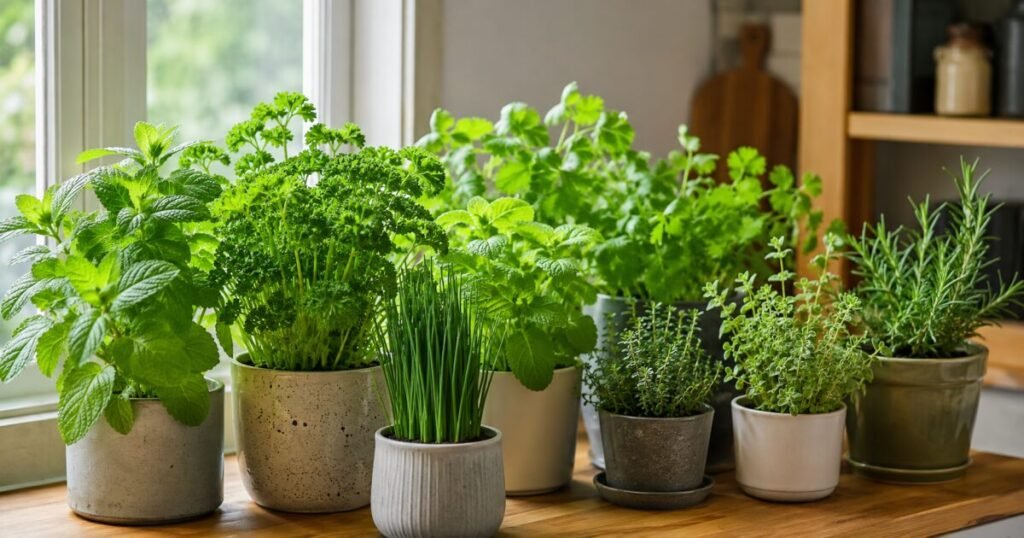
The best herbs that grow in low light apartments are mint, parsley, chives, lemon balm, cilantro, thyme, oregano, bay laurel, sage, Vietnamese coriander, and shiso. These herbs tolerate indirect or filtered sunlight better than most edible plants, making them excellent options for apartments, small homes, and offices with limited natural light.
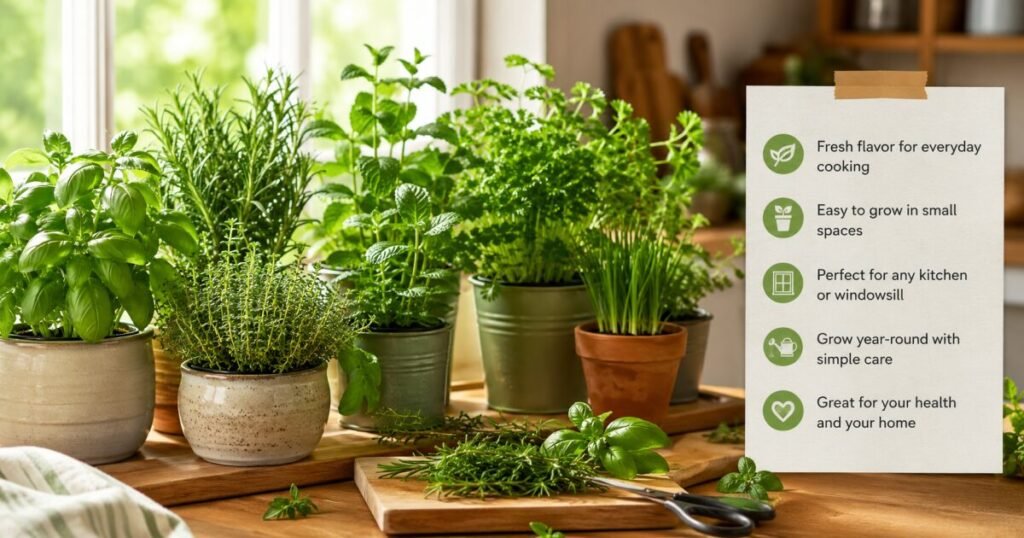
Not every apartment gets bright sunlight all day, but that doesn’t mean you can’t grow fresh herbs indoors.
Many herbs actually tolerate low-light conditions better than people think. If you live in a small apartment, have north-facing windows, or only get indirect sunlight, there are still plenty of herbs you can grow successfully.
In this beginner-friendly guide, you’ll discover the best herbs that grow in low light apartments, how to care for them indoors, and simple tips to keep them thriving year-round.
Can Herbs Really Grow in Low Light?
Yes, but there’s an important difference between low light and no light.
Most herbs still need some natural or indirect light to survive. However, certain herbs are naturally more shade-tolerant and can grow well indoors without hours of direct sunlight.
Low-light herbs usually:
- Grow more slowly
- Need less frequent watering
- Prefer cooler indoor temperatures
- Adapt well to apartment living
If your apartment is extremely dark, adding a small LED grow light can make a huge difference.
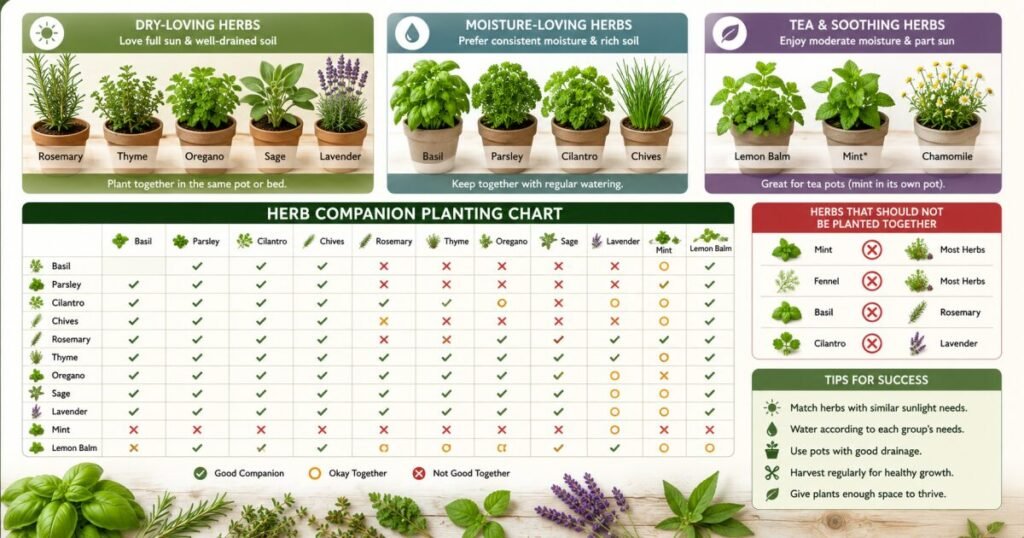
Quick Comparison Table
| Herb | Light Needs | Beginner Friendly | Best For |
| Mint | Low to medium | Yes | Fast indoor growth |
| Parsley | Indirect light | Yes | Everyday cooking |
| Chives | Low light tolerant | Very easy | Small spaces |
| Lemon Balm | Partial shade | Yes | Herbal tea |
| Cilantro | Moderate indirect light | Moderate | Cool apartments |
| Thyme | Medium-low light | Easy | Low maintenance |
| Oregano | Indirect sunlight | Easy | Indoor cooking herbs |
| Tarragon | Partial shade | Moderate | Container gardening |
| Sorrel | Shade tolerant | Easy | Salads and soups |
| Vietnamese Coriander | Low light | Easy | Humid kitchens |
| Catnip | Partial sunlight | Very easy | Beginner gardeners |
1. Mint
Mint is one of the easiest herbs to grow indoors and does surprisingly well in low-light apartments.
It grows quickly, adapts to indoor environments, and recovers fast, even if beginners make mistakes.
Why Mint Is Great for Apartments
- Tolerates indirect sunlight
- Grows rapidly indoors
- Requires minimal maintenance
- Thrives in containers
Indoor Growing Tips
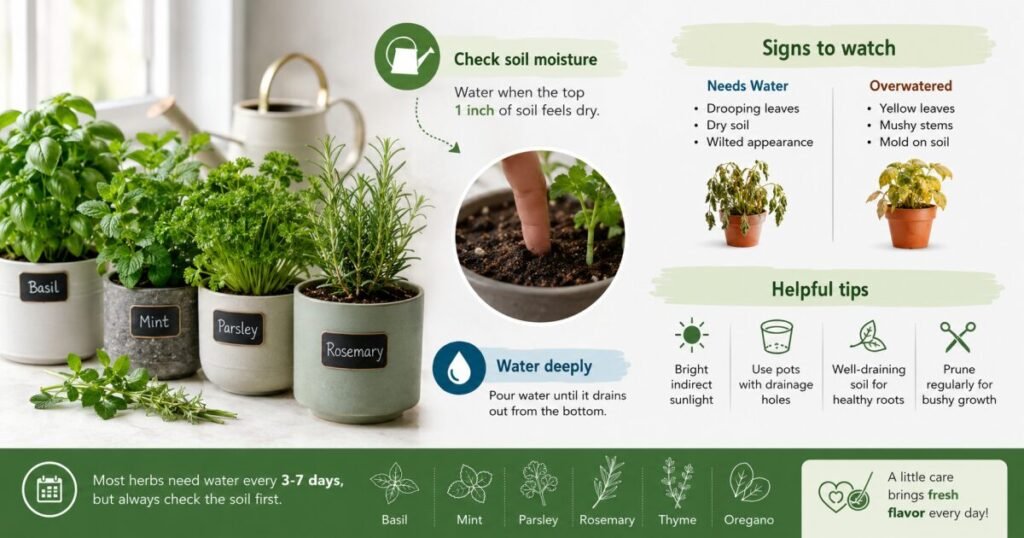
- Water when the top layer of soil feels dry
- Trim regularly to encourage fuller growth
- Avoid placing it in extremely dark corners
Mint is perfect for tea, desserts, drinks, and fresh cooking.
2. Parsley
Parsley is one of the best herbs for apartments without much sunlight because it tolerates partial shade better than many Mediterranean herbs.
It grows steadily indoors and works well in compact spaces.
Why Beginners Love Parsley
- Easy to maintain
- Doesn’t require intense sunlight
- Useful in many recipes
- Suitable for windowsill gardens
Care Tips
- Use well-draining soil
- Rotate the pot weekly for even growth
- Avoid overwatering
3. Chives
Chives are compact, low-maintenance herbs that grow well in indirect light.
Their mild onion flavor makes them useful in eggs, soups, salads, and baked potatoes.
Why Chives Thrive Indoors
- Require very little space
- Regrow quickly after harvesting
- Adapt well to cooler rooms
- Beginner friendly
Best Growing Conditions
Keep the soil lightly moist and place the plant near filtered natural light.
4. Lemon Balm
Lemon balm belongs to the mint family, which explains why it performs well indoors with limited sunlight.
Its refreshing citrus scent also makes apartments smell amazing naturally.
Benefits of Growing Lemon Balm
- Shade tolerant
- Excellent for herbal teas
- Easy to grow indoors
- Fast-growing and productive
Important Tip
Trim frequently to prevent the plant from becoming leggy.
5. Cilantro
Cilantro can grow indoors in moderate indirect light, especially in cooler apartments.
Unlike many herbs, cilantro struggles more with heat than with lower light conditions.
How to Grow Cilantro Successfully
- Keep it away from hot afternoon sun
- Water consistently
- Harvest leaves often to extend growth
North-facing kitchen windows usually work well for cilantro.
6. Thyme
Thyme prefers brighter light but can still adapt surprisingly well to medium-low indoor light conditions.
It’s one of the best herbs for busy apartment dwellers because it needs little attention.
Why Thyme Is Beginner Friendly
- Drought tolerant
- Compact growth habit
- Excellent culinary herb
- Doesn’t require frequent watering
Common Mistake
Avoid soggy soil. Thyme prefers slightly dry conditions.
7. Oregano
Oregano is another hardy herb that adapts well indoors with several hours of indirect sunlight.
It’s a practical herb for apartment gardeners because it remains productive for a long time.
Why Oregano Works Indoors
- Strong aroma and flavor
- Easy to prune
- Long-lasting plant
- Great for cooking
Place oregano near your brightest indoor window for best results.
8. Tarragon
Tarragon handles partial shade relatively well and grows nicely in containers indoors.
French tarragon is especially popular for indoor herb gardens because of its rich flavor.
Indoor Care Tips
- Use well-draining soil
- Avoid excessive watering
- Provide gentle airflow around the plant
9. Sorrel
Sorrel is one of the most underrated herbs for low-light apartments.
Its tangy, lemony leaves grow surprisingly well in partial shade and add fresh flavor to salads and soups.
Why Sorrel Is Worth Growing
- Thrives in shade
- Fast-growing leaves
- Low maintenance
- Unique flavor profile
10. Vietnamese Coriander
Vietnamese coriander, also called Rau Ram, tolerates humidity and lower light better than regular cilantro.
That makes it an excellent herb for apartment kitchens.
Best Growing Conditions
- Warm temperatures
- Moist soil
- Medium indirect light
It’s commonly used in Southeast Asian cooking and grows quickly indoors.
11. Catnip
Catnip isn’t just for cats — it’s also an extremely hardy herb for beginners.
It adapts well to indoor containers and tolerates partial shade better than many herbs.
Why Beginners Like Catnip
- Fast-growing
- Very forgiving plant
- Easy to maintain
- Suitable for small apartments
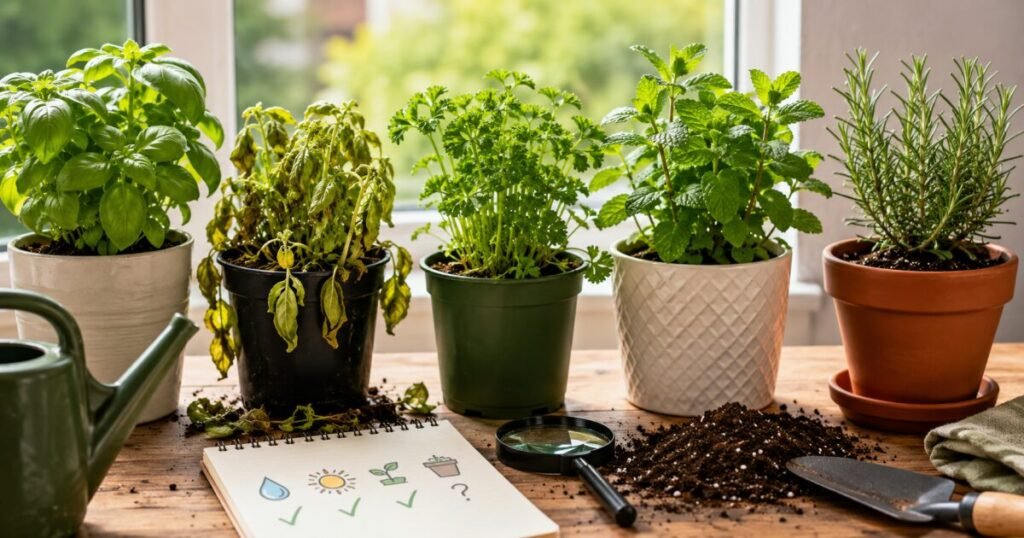
Common Mistakes When Growing Herbs in Low Light
Even shade-tolerant herbs can struggle if indoor conditions are poor.
Overwatering
Low-light herbs use water more slowly, so constantly wet soil can lead to root rot.
Poor Drainage
Always use pots with drainage holes to prevent excess moisture buildup.
Not Enough Airflow
Indoor herbs benefit from gentle airflow to reduce mold and mildew.
Expecting Fast Growth
Herbs grown in lower light naturally grow more slowly than outdoor plants.
Best Places to Keep Herbs in Apartments
The best indoor locations include:
- Kitchen windowsills
- East-facing windows
- North-facing windows
- Bright bathroom shelves
- Balconies with filtered sunlight
If your apartment receives very little natural light, consider using a small full-spectrum grow light.
Do Indoor Herbs Need Grow Lights?
Not always.
Many herbs that grow in low light can survive with indirect sunlight alone. However, grow lights can help if:
- Your apartment has tiny windows
- The rooms stay dark most of the day
- Winter sunlight is weak
Even a small LED grow light can improve leaf growth and overall plant health.
Frequently Asked Questions
What herbs grow best in low light?
Mint, parsley, chives, lemon balm, and sorrel are among the best herbs for low-light indoor environments.
Can herbs survive without direct sunlight?
Yes. Many herbs can grow with indirect light or partial shade indoors.
What is the easiest indoor herb to grow?
Mint is often considered the easiest indoor herb because it grows quickly and tolerates beginner mistakes.
Can basil grow in low light?
Basil prefers bright sunlight and usually struggles in dark apartments compared to herbs like parsley or mint.
How often should I water indoor herbs?
Most indoor herbs should be watered when the top inch of soil feels dry.
Final Thoughts
Growing herbs indoors is completely possible, even in apartments with limited sunlight.
The key is choosing herbs naturally suited to lower light conditions and providing proper watering, drainage, and airflow.
Start with beginner-friendly herbs like mint, parsley, or chives, and gradually expand your indoor herb garden over time.
With the right setup, you can enjoy fresh herbs year-round right from your apartment kitchen.