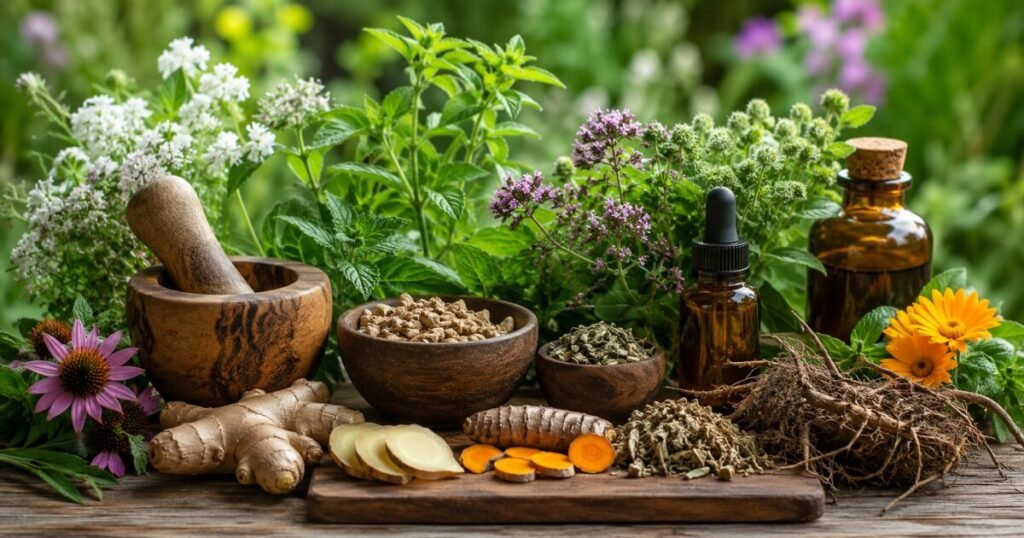
What Are the Best Herbs for Lymphatic Drainage?
The best herbs for lymphatic drainage are cleavers, red clover, burdock root, calendula, echinacea, dandelion root, ginger, turmeric, gotu kola, and manjistha. These herbs have traditionally been used to support healthy lymph flow, reduce fluid retention, promote circulation, and assist the body’s natural detoxification processes. In Ayurveda, manjistha, guduchi, neem, and turmeric are commonly recommended to support the lymphatic system, while Traditional Chinese Medicine often uses astragalus (huang qi), poria (fu ling), and honeysuckle to promote fluid balance and immune health. Although research on some herbs is still developing, many have a long history of traditional use for maintaining lymphatic health.
The lymphatic system plays a crucial role in maintaining overall health. It helps transport immune cells, remove waste products, and support the body’s natural fluid balance. When lymphatic flow becomes sluggish, some people experience swelling, fluid retention, feelings of heaviness, or general discomfort. As a result, many individuals look for natural ways to support their lymphatic system, including herbal remedies.
If you’re wondering what herbs help with lymphatic drainage, this comprehensive guide explores some of the most popular and traditionally used herbs from Western herbalism, Ayurveda, and Traditional Chinese Medicine (TCM). You’ll also learn how these herbs may support lymphatic health and how to use them safely.
What Is the Lymphatic System?
The lymphatic system is a network of vessels, nodes, and organs that helps move lymph fluid throughout the body. This system works alongside the immune and circulatory systems to:
- Transport immune cells
- Remove cellular waste
- Help maintain fluid balance
- Filter harmful substances
- Support overall immune function
Unlike the circulatory system, the lymphatic system lacks a pump like the heart. Instead, lymph moves through muscle contractions, breathing, and physical activity.
Why Is Lymphatic Drainage Important?
Healthy lymphatic circulation helps your body maintain normal fluid balance and immune function. When lymph movement slows, fluid may accumulate in tissues, leading to swelling or discomfort.
Factors that may affect lymphatic flow include:
- Sedentary lifestyle
- Poor circulation
- Surgery or injury
- Chronic inflammation
- Certain medical conditions
- Inadequate hydration
While herbs cannot replace medical treatment, some traditional remedies may help support healthy lymphatic function as part of a balanced wellness routine.
What Herbs Help With Lymphatic Drainage?
Several herbs have long histories of use in herbal medicine systems worldwide. Some are traditionally considered lymphatic stimulants, while others support circulation, detoxification pathways, or healthy inflammatory responses.
Below are some of the best herbs for lymphatic drainage commonly used in Western, Ayurvedic, and Chinese herbal traditions.
11 Best Herbs for Lymphatic Drainage
1. Cleavers (Galium aparine)
Cleavers is one of the most well-known lymphatic drainage herbs in Western herbal medicine.
Traditional Benefits
- Supports lymphatic circulation
- Promotes fluid movement
- Encourages healthy detoxification
- Traditionally used for swollen glands
Many herbalists consider cleavers one of the top herbs for lymphatic support.
Common Forms
- Tea
- Tincture
- Fresh juice
- Capsules
2. Red Root (Ceanothus americanus)
Red root has a strong reputation among herbal practitioners for supporting lymphatic health.
Traditional Uses
- Supports healthy lymph node function
- May help maintain fluid movement
- Traditionally used for congested tissues
Because of its long history in herbalism, red root is often included in lymph-support formulas.
3. Calendula
Calendula is widely known for skin health, but it also has a long tradition of supporting the lymphatic system.
Potential Benefits
- Supports healthy lymphatic circulation
- Rich in plant compounds that support immune health
- Traditionally used for swollen lymph nodes
Calendula is commonly consumed as tea or tincture.
4. Echinacea
Echinacea is best known for immune support, but it also has historical use in promoting healthy lymphatic activity.
Traditional Benefits
- Supports immune function
- Encourages healthy lymphatic movement
- Often combined with other lymphatic herbs
It is frequently included in herbal blends designed for overall immune wellness.
5. Burdock Root
Burdock root has been used for centuries in European and Asian herbal traditions.
Why It’s Popular
- Supports natural detoxification pathways
- Rich in antioxidants
- Traditionally used for blood and lymphatic support
Many herbalists recommend burdock as part of a holistic cleansing protocol.
6. Dandelion
Dandelion is valued for its support of liver and digestive health, which indirectly contributes to overall detoxification.
Potential Benefits
- Supports fluid balance
- Encourages healthy elimination
- Rich in vitamins and minerals
Because the lymphatic system works closely with other detoxification pathways, dandelion is often included in lymph-support programs.
7. Ginger
Ginger is widely recognized for its effects on circulation and digestive wellness.
Traditional Uses
- Supports healthy blood flow
- Promotes warmth and circulation
- May encourage healthy fluid movement
Adding ginger tea to your daily routine may complement other lymphatic-supportive practices.
8. Turmeric
Turmeric contains curcumin, a compound known for supporting healthy inflammatory responses.
Potential Benefits
- Supports overall wellness
- Encourages healthy circulation
- May complement lymphatic health routines
Turmeric is commonly used as a spice, tea ingredient, or supplement.
Ayurvedic Herbs for Lymphatic Drainage
Ayurveda, the traditional healing system of India, places significant emphasis on maintaining proper fluid circulation and supporting the body’s natural cleansing processes.
9. Manjistha (Rubia cordifolia)
Manjistha is often regarded as one of the most important Ayurvedic herbs for lymphatic drainage.
Traditional Ayurvedic Uses
- Supports lymphatic circulation
- Promotes healthy skin
- Supports natural detoxification processes
Ayurvedic practitioners frequently recommend manjistha for maintaining healthy blood and lymph flow.
10. Gotu Kola
Gotu kola is another highly respected herb in Ayurvedic medicine.
Traditional Benefits
- Supports circulation
- Promotes connective tissue health
- May help maintain healthy fluid movement
Gotu kola is commonly consumed as tea, capsules, or extracts.
Chinese Herbs for Lymphatic Drainage
Traditional Chinese Medicine approaches health through the balance of energy, circulation, and organ function. While TCM does not specifically use the term “lymphatic drainage,” several herbs are traditionally used to support fluid metabolism and circulation.
11. Astragalus
Astragalus is among the most popular Chinese herbs for lymphatic drainage and immune support.
Traditional Uses
- Supports immune health
- Encourages healthy energy levels
- Promotes fluid balance
Astragalus is commonly found in teas, soups, and herbal formulas.
Additional Chinese Herbs Traditionally Used for Fluid Support
Other herbs frequently used by TCM practitioners include:
- Poria mushroom (Fu Ling)
- White Atractylodes (Bai Zhu)
- Licorice Root (Gan Cao)
- Tangerine Peel (Chen Pi)
These herbs are typically combined into personalized formulas rather than used individually.
How to Use Lymphatic Drainage Herbs
Depending on the herb, common preparation methods include:
Herbal Teas
Ideal for:
- Cleavers
- Calendula
- Ginger
- Dandelion
Tinctures
Useful when:
- Higher concentrations are desired
- Convenience is important
Capsules and Powders
Common for:
- Turmeric
- Astragalus
- Manjistha
- Gotu Kola
Always follow product instructions and consult a qualified healthcare professional if you have health conditions or take medications.
Lifestyle Habits That Support a Healthy Lymphatic System
Herbs work best when combined with healthy lifestyle practices.
Stay Physically Active
Movement helps stimulate lymph flow throughout the body.
Good options include:
- Walking
- Swimming
- Cycling
- Yoga
- Rebounding exercises
Drink Enough Water
Proper hydration supports fluid balance and healthy circulation.
Practice Deep Breathing
Deep diaphragmatic breathing may help encourage lymph movement through the chest cavity.
Eat a Nutrient-Dense Diet
Focus on:
- Vegetables
- Fruits
- Healthy fats
- Lean proteins
- Fiber-rich foods
Limiting highly processed foods may support overall wellness.
Consider Massage
Many people use manual lymphatic drainage massage as part of their wellness routine. Always seek guidance from qualified professionals.
Are Lymphatic Drainage Herbs Safe?
Most herbs are generally well tolerated when used appropriately, but safety considerations still apply.
Talk to a Healthcare Professional If You:
- Are you pregnant or breastfeeding
- Have a chronic medical condition
- Take prescription medications
- Have autoimmune disorders
- Are undergoing cancer treatment
Natural does not always mean risk-free, so professional guidance is important.
Frequently Asked Questions
What herbs help with lymphatic drainage?
Some of the most commonly used herbs include cleavers, red root, calendula, echinacea, burdock root, dandelion, ginger, turmeric, manjistha, gotu kola, and astragalus.
What are the best herbs for lymphatic drainage?
Many herbalists consider cleavers, red root, and manjistha among the best herbs specifically associated with lymphatic support.
Which Ayurvedic herbs support lymphatic drainage?
Manjistha and gotu kola are among the most respected Ayurvedic herbs traditionally used to support healthy circulation and lymphatic function.
Which Chinese herbs support lymphatic drainage?
Astragalus, poria mushroom, bai zhu, and chen pi are commonly used in Traditional Chinese Medicine to support fluid balance and circulation.
Can herbs cure lymphatic disorders?
No. Herbs should not be viewed as cures for lymphatic disorders. They may support overall wellness but are not substitutes for medical diagnosis or treatment.
How long does it take for lymphatic herbs to work?
Results vary depending on the individual, the herb used, lifestyle factors, and overall health status.
Final Thoughts
The best herbs for lymphatic drainage come from a variety of healing traditions, including Western herbalism, Ayurveda, and Traditional Chinese Medicine. Herbs such as cleavers, red root, calendula, burdock root, manjistha, gotu kola, and astragalus have long histories of traditional use for supporting circulation, fluid balance, immune health, and the body’s natural cleansing processes.
While lymphatic drainage herbs can be valuable additions to a wellness routine, they work best alongside healthy habits such as regular exercise, proper hydration, deep breathing, and a nutrient-rich diet. If you are considering adding herbal supplements to your routine, consult a qualified healthcare professional to ensure they are appropriate for your individual needs.
By combining evidence-informed herbal practices with healthy lifestyle choices, you can help support a healthy lymphatic system and overall well-being.