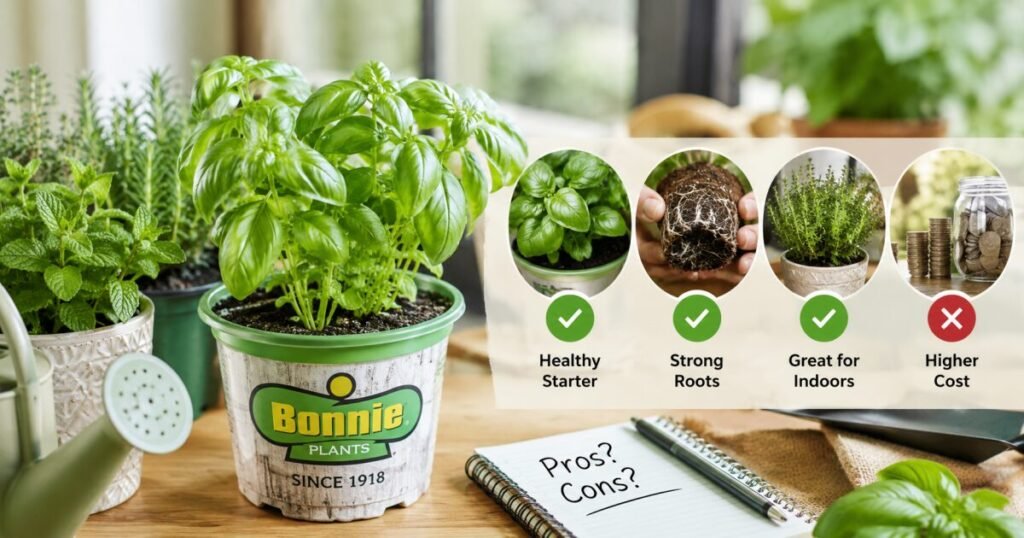
If you’ve walked through Lowe’s, Home Depot, or Walmart lately, chances are you’ve seen rows of herbs and vegetable starters from Bonnie Plants. Their basil, mint, rosemary, parsley, and thyme plants are everywhere, especially during the spring and summer gardening season.
But many beginner gardeners ask the same question:
Are Bonnie Plants actually worth buying for indoor herb gardens?
Yes, Bonnie Plants can be worth it for indoor herb gardens if you want healthy, established herbs that produce quickly. However, they aren’t always the best long-term option because some herbs outgrow small indoor spaces or require more sunlight than most homes provide. For many gardeners, growing herbs from seed or choosing compact indoor varieties offers better value and longer-lasting results.
For beginners who want a quick and convenient way to start growing herbs indoors, Bonnie Plants can save time and effort. However, they also come with some downsides like inconsistent plant quality, higher pricing, and occasional transplant shock.
In this honest review, we’ll break down:
- The pros and cons of Bonnie Plants
- Whether they survive well indoors
- Which herbs are worth buying
- Common problems buyers face
- Better alternatives for indoor herb gardeners
What Are Bonnie Plants?
Bonnie Plants Official Website is one of the largest live plant suppliers in the United States. The company sells:
- Herb plants
- Vegetable starters
- Pepper plants
- Tomato plants
- Raised bed garden products
Instead of growing herbs from seeds, many people buy Bonnie Plants because the herbs are already partially grown and ready to transplant.
You’ll usually find them at:
- Lowe’s
- Home Depot
- Walmart
- Local garden centers
For indoor herb gardeners, the biggest attraction is convenience. You can buy a basil or mint plant today and start harvesting within days instead of waiting weeks for seeds to germinate.
Are Bonnie Plants Good for Indoor Herb Gardens?
Yes, Bonnie Plants can work well indoors, especially for beginners.
However, success depends more on:
- lighting
- watering habits
- pot drainage
- indoor temperature
- transplant timing
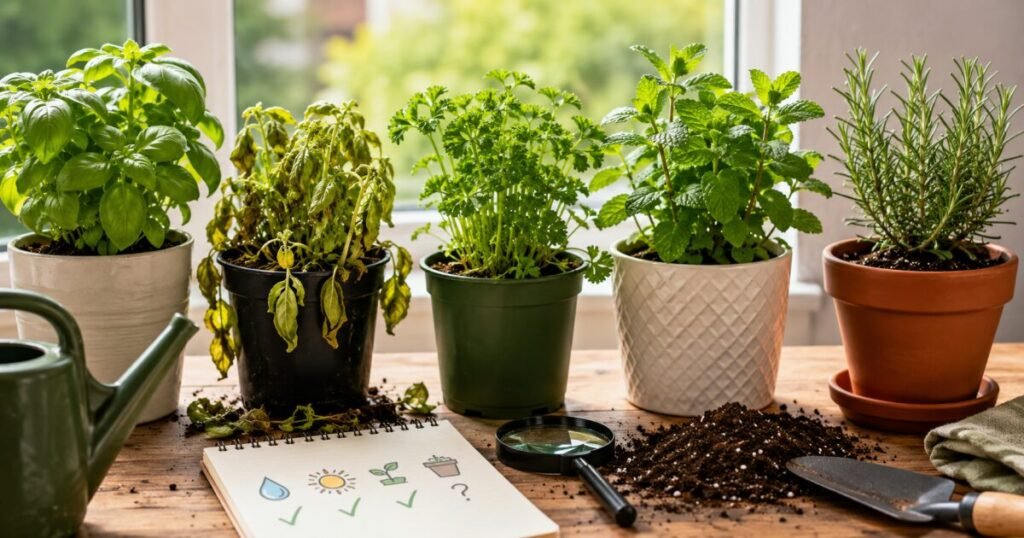
The plants themselves are not “bad,” but many herbs sold in big-box stores are stressed before customers even buy them.
That’s why some people get amazing results while others watch their herbs die within a week.
Pros of Bonnie Plants for Indoor Herbs
1. Great for Beginners
One of the biggest advantages is simplicity.
Instead of:
- buying seeds
- waiting for germination
- thinning seedlings
- troubleshooting growth problems
…you start with a living plant immediately.
This makes indoor herb gardening feel easier and more rewarding.
2. Instant Harvest Potential
Many Bonnie herbs are already mature enough for light harvesting.
Popular options include:
- basil
- parsley
- cilantro
- oregano
- thyme
- rosemary
- mint
For beginner gardeners, this creates faster success and motivation.
3. Widely Available
A major reason Bonnie Plants dominates the market is accessibility.
You don’t need to order online or visit specialty nurseries. Most people can simply grab herbs during a normal shopping trip.
That convenience matters for new gardeners.
4. Better Success Rate Than Seeds for Some People
Indoor herb seeds can fail for beginners because of:
- poor lighting
- overwatering
- fungus issues
- Incorrect soil moisture
A healthy starter plant skips the hardest stage.
Cons of Bonnie Plants
1. Plant Quality Can Be Inconsistent
This is the biggest complaint from gardeners.
The actual quality often depends on:
- the store
- How often do employees water plants
- sunlight exposure
- how long the herbs sat on the shelves
Some Bonnie Plants look healthy and vibrant.
Others may already have:
- yellow leaves
- root stress
- pests
- dry soil
- mold issues
Always inspect the plant carefully before buying.
2. They’re Often Root-Bound
Many Bonnie herbs stay in small nursery pots too long.
When roots circle tightly inside the container, the plant becomes stressed and struggles indoors.
Signs include:
- roots growing through drainage holes
- wilting quickly
- slow growth
- dry soil every day
Repotting quickly after purchase usually helps.
3. More Expensive Than Seeds
Bonnie Plants are convenient, but convenience costs money.
A single herb plant may cost several times more than a packet of seeds.
For gardeners growing many herbs, costs add up fast.
4. Indoor Shock Is Common
Many Bonnie herbs are raised outdoors or in greenhouse conditions.
Moving them indoors suddenly can stress the plant because of:
- lower light
- dry indoor air
- temperature changes
- reduced airflow
This is why some herbs begin drooping after purchase.
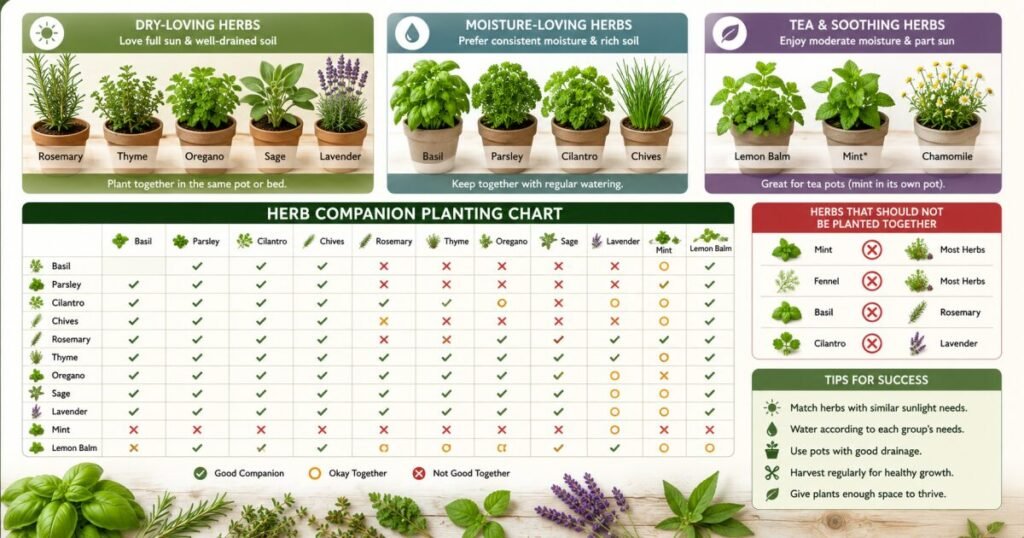
Which Bonnie Herbs Usually Perform Best Indoors?
Some herbs adapt better indoors than others.
Best Bonnie Herbs for Indoor Growing
- Basil
- Mint
- Thyme
- Oregano
- Chives
- Parsley
These herbs generally adjust faster to containers and indoor environments.
Harder Bonnie Herbs for Indoors
- Cilantro
- Dill
- Lavender
- Rosemary (without strong light)
These herbs often need:
- stronger sunlight
- cooler temperatures
- careful watering
Rosemary especially struggles indoors without grow lights.
How to Make Bonnie Plants Survive Indoors
Many people blame the plant when the real issue is indoor setup.
Here’s how to improve success rates dramatically.
1. Repot Immediately
The original nursery pot is usually temporary.
Move the herb into:
- a slightly larger container
- fresh potting mix
- proper drainage
This reduces root stress.
2. Give Them More Light Than You Think
Most herbs need:
- 6–8 hours of sunlight
- or a quality grow light
A dark kitchen corner usually isn’t enough.
South-facing windows work best.
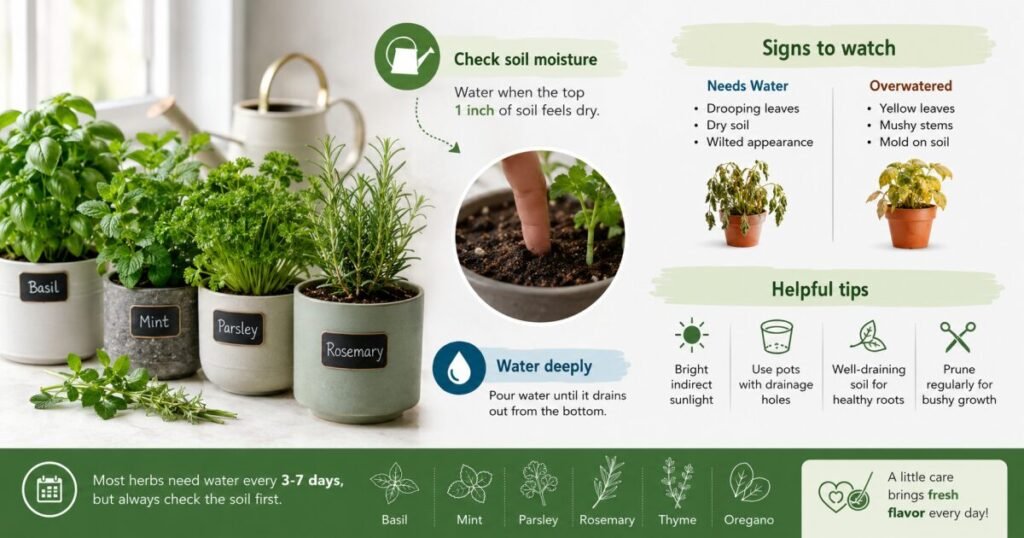
3. Don’t Overwater
This kills more indoor herbs than anything else.
Only water when:
- The top inch of soil feels dry
Constant wet soil causes root rot quickly.
4. Improve Airflow
Indoor herbs hate stagnant air.
A nearby fan or occasional open window can help reduce:
- fungus
- mold
- weak growth
5. Avoid Harvesting Too Aggressively Early On
Give the plant time to adjust after transplanting.
Heavy harvesting immediately after purchase increases stress.
Are Bonnie Plants Better Than Growing From Seed?
It depends on your goals.
| Bonnie Plants | Growing From Seed |
|---|---|
| Faster results | Cheaper |
| Easier for beginners | More variety |
| Higher upfront cost | Slower process |
| Convenient | More rewarding long-term |
| Less patience required | Better for large gardens |
For brand-new indoor gardeners, Bonnie Plants are often easier.
For experienced growers, seeds usually provide better value.
Better Alternatives to Bonnie Plants
If you want healthier or more affordable indoor herbs, there are better options.
1. Local Plant Nurseries
Local nurseries often provide:
- healthier roots
- better plant care
- locally adapted herbs
- gardening advice
The herbs may survive transplanting better than mass-produced store plants.
2. Growing Herbs From Seed
This is the cheapest long-term option.
Easy indoor herbs from seed include:
- basil
- parsley
- chives
- oregano
You also gain more control over:
- soil quality
- pesticides
- plant health
3. Online Herb Starter Shops
Some small online growers specialize in:
- organic herbs
- indoor-ready plants
- rare varieties
These can outperform big-box store herbs in quality.
4. Propagating Herbs From Grocery Store Cuttings
This surprisingly works well for:
- mint
- basil
- oregano
Place healthy cuttings in water until roots form.
It’s one of the cheapest ways to build an indoor herb garden.
So, Are Bonnie Plants Worth It?
For many beginner gardeners, yes.
Bonnie Plants offers convenience, accessibility, and a fast way to start growing herbs indoors.
But they are not perfect.
The biggest issue is inconsistency. Some plants are healthy and productive, while others may already be stressed before purchase.
If you:
- choose healthy plants carefully
- repot quickly
- provide enough light
- avoid overwatering
…Bonnie Plants can become productive indoor herbs.
However, if you want:
- lower costs
- stronger root systems
- rare herb varieties
- long-term gardening value
…local nurseries and seed growing are usually better alternatives.
Final Verdict
Bonnie Plants Are Best For:
- beginners
- convenience
- quick indoor herb setups
- instant harvesting
Bonnie Plants May Not Be Best For:
- budget gardeners
- advanced growers
- rare herb collectors
- long-term indoor gardening enthusiasts
For a first indoor herb garden, Bonnie Plants are often a perfectly reasonable starting point — as long as you understand their limitations.
Frequently Asked Questions
Do Bonnie Plants survive indoors?
Yes, many Bonnie herbs survive indoors if they receive enough light and proper watering.
Why do Bonnie Plants die after bringing them home?
The most common reasons are:
- transplant shock
- low indoor light
- overwatering
- root-bound containers
Are Bonnie Plants organic?
Some Bonnie products are labeled organic, but not all. Always check the plant tag before buying.
Which Bonnie herb is easiest for beginners?
Basil is usually the easiest and fastest-growing option indoors.
Are Bonnie Plants overpriced?
They are more expensive than seeds, but many people pay for the convenience and faster results.
Related Indoor Herb Gardening Guides
You may also enjoy: