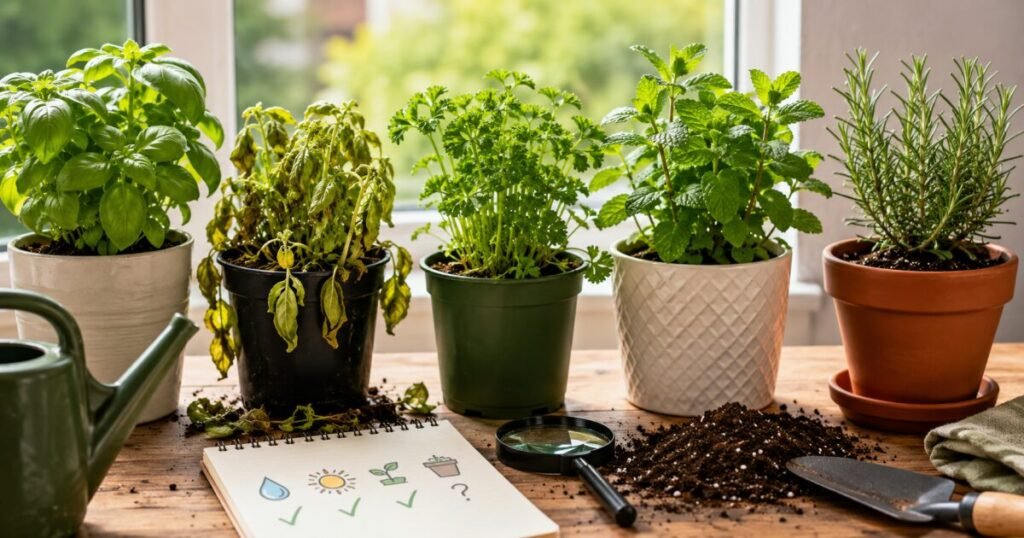
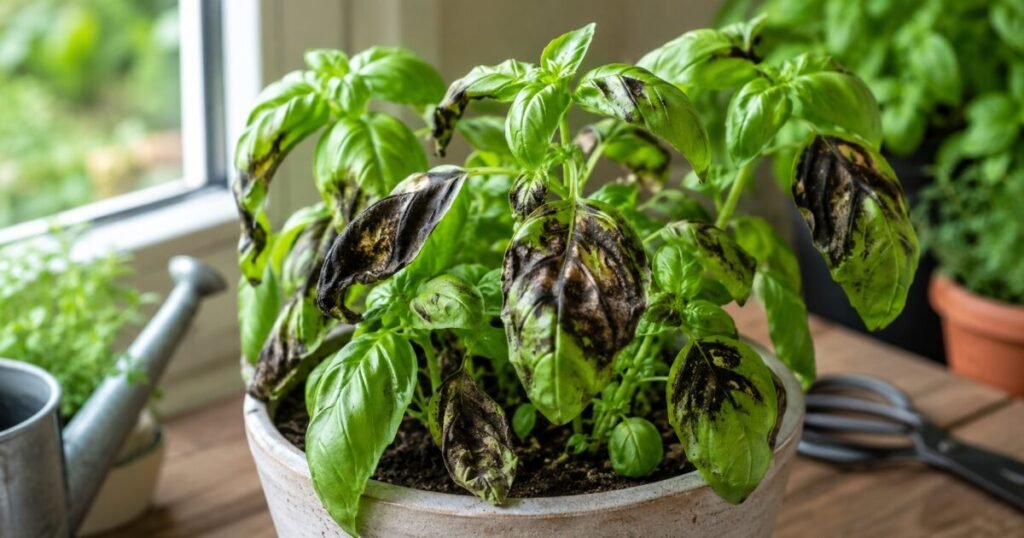
Basil turns black indoors most commonly because of overwatering, cold temperatures, poor airflow, insufficient sunlight, fungal diseases, or physical damage to the leaves and stems. To fix the problem, allow the soil to dry slightly between waterings, place the plant in at least 6–8 hours of bright sunlight, maintain indoor temperatures between 65–85°F (18–29°C), improve air circulation, and remove any blackened leaves or stems. Identifying the underlying cause early can help prevent further damage and keep your basil healthy.
If your basil plant suddenly develops black leaves, dark spots, or black stems indoors, don’t panic. Basil is one of the most popular indoor herbs, but it’s also sensitive to changes in water, temperature, humidity, and lighting.
The good news? Most causes of black basil leaves are easy to fix once you know what’s going wrong.
In this guide, you’ll learn:
- Why basil turns black indoors
- The most common mistakes people make
- How to save a dying basil plant fast
- Ways to prevent black leaves from returning
Whether your basil is growing on a windowsill, kitchen counter, or indoor herb garden, these fixes can help bring it back to life.
Why Does Basil Turn Black Indoors?
Basil usually turns black because of:
- Overwatering
- Cold temperatures
- Fungal disease
- Wet leaves
- Poor airflow
- Lack of sunlight
- Refrigeration damage after harvest
Indoor basil plants are especially vulnerable because airflow and light are often limited inside homes.
In many cases, black leaves are an early warning sign that your basil is stressed.
1. Overwatering Is Causing Root Stress
The most common reason basil turns black indoors is overwatering.
Basil likes moist soil, but it hates sitting in soggy conditions. When roots stay wet for too long, oxygen levels drop, and the plant begins to rot. This often causes:
- Black leaf edges
- Mushy stems
- Yellowing before blackening
- Drooping leaves
Quick Fix
- Stop watering immediately
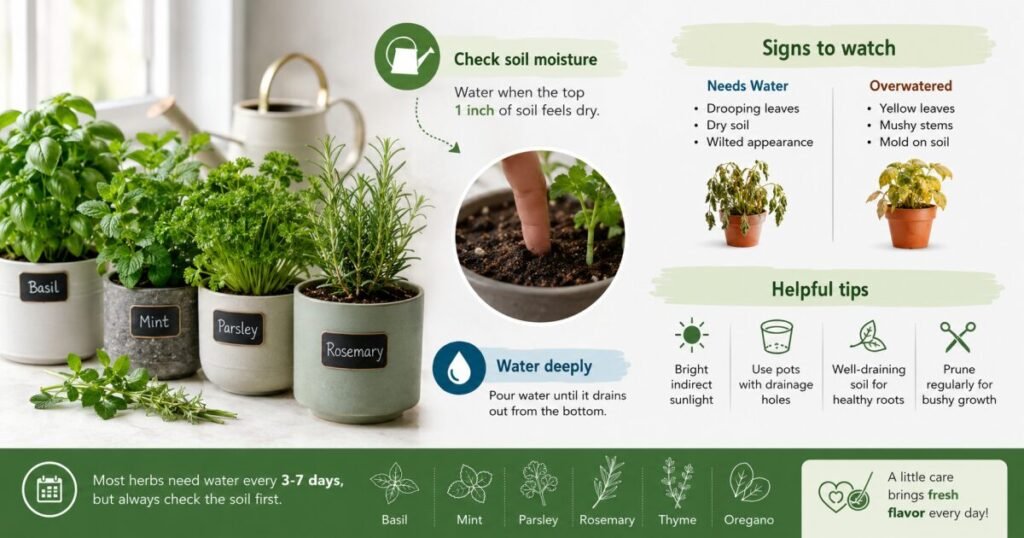
- Let the top 1–2 inches of soil dry out
- Empty drainage trays
- Make sure your pot has drainage holes
If the soil smells sour or swampy, root rot may already be developing.
Pro Tip
Stick your finger into the soil before watering. If it still feels damp, wait another day.
Read More: How Often Should You Water Indoor Herb Plants?
2. Your Basil Is Too Cold
Basil is a warm-weather herb that struggles in cold indoor environments.
Temperatures below 50°F (10°C) can shock the plant and turn leaves black almost overnight.
This commonly happens when basil sits:
- Near cold windows
- Close to air conditioners
- In drafty kitchens
- Outside during chilly nights
Quick Fix
Move basil to a warmer spot with temperatures between 65–80°F (18–27°C).
Avoid placing the plant directly against cold glass windows during winter.
3. Wet Leaves Are Triggering Fungal Problems
Indoor basil needs airflow. When leaves stay wet for too long, fungal diseases can develop quickly.
Common signs include:
- Black spots on leaves
- Brown patches
- Soft dark stems
- Mold-like growth
This often happens when people water basil from above instead of watering the soil directly.
Quick Fix
- Water at the base of the plant
- Avoid splashing the leaves
- Remove damaged leaves immediately
- Improve air circulation nearby
A small fan on low speed can help indoor basil stay dry and healthy.
4. Lack of Sunlight Is Weakening the Plant
Basil needs plenty of light to stay healthy indoors.
Without enough sunlight, basil becomes weak and stressed, making it more likely to develop black leaves and disease.
Signs of Low Light
- Leggy growth
- Pale leaves
- Slow growth
- Thin stems
- Darkening leaves over time
Quick Fix
Place basil in a spot that receives at least 6–8 hours of sunlight daily.
South-facing windows usually work best.
If natural light is limited, consider using a small LED grow light.
5. Poor Airflow Is Creating Moisture Buildup
Indoor environments can trap humidity around basil leaves, especially in crowded kitchens or small apartments.
Without proper airflow:
- Moisture lingers on leaves
- Fungus spreads faster
- Leaves begin turning black
Quick Fix
- Space plants apart
- Open windows occasionally
- Use a small fan nearby
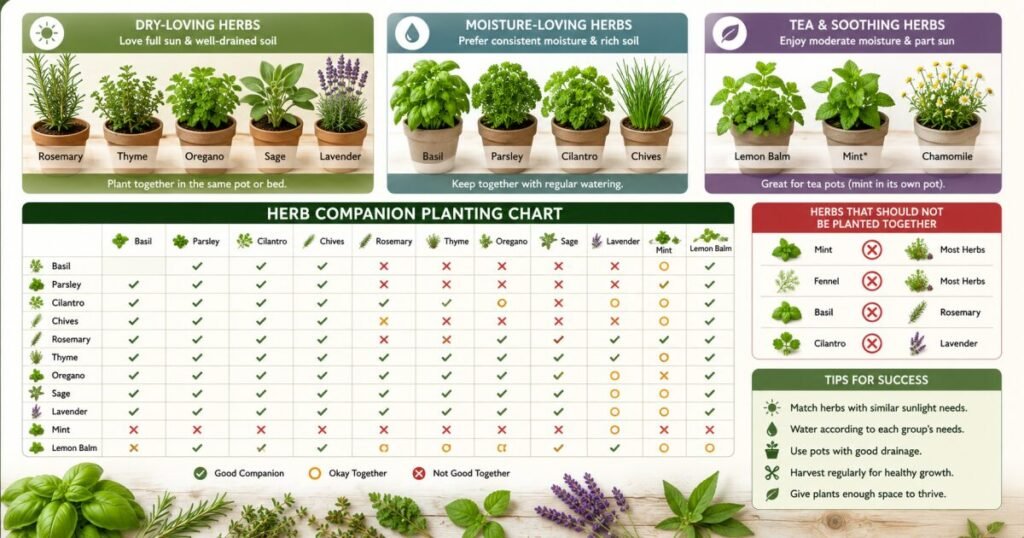
- Avoid overcrowding herbs together
Good airflow is one of the simplest ways to prevent indoor basil problems.
6. Your Basil May Have Root Rot
If your basil keeps turning black despite adjusting watering, root rot may already be present.
Root rot is caused by fungi that thrive in waterlogged soil.
Signs of Root Rot
- Black stems near soil
- Mushy roots
- Persistent wilting
- Foul smell from soil
- Entire plant collapsing
Quick Fix
- Remove the basil from the pot
- Trim black or mushy roots
- Repot in fresh, well-draining soil
- Use a clean container with drainage holes
Unfortunately, severe root rot can be difficult to reverse.
7. Basil Turns Black After Picking or Refrigeration
Many people notice fresh basil turning black shortly after harvest.
This is extremely common.
Basil is sensitive to cold temperatures, and refrigeration damage can quickly darken the leaves.
Why It Happens
Cold air damages basil cells, causing oxidation and blackening.
Quick Fix
- Store basil at room temperature
- Place stems in water like fresh flowers
- Keep away from direct cold air
Avoid storing fresh basil in the refrigerator unless absolutely necessary.
How to Save Basil Turning Black
If your basil still has healthy green growth, there’s a good chance you can save it.
Follow These Steps
1. Remove Black Leaves
Prune damaged leaves with clean scissors.
2. Check Soil Moisture
Allow overly wet soil to dry slightly.
3. Improve Lighting
Move basil closer to sunlight or add a grow light.
4. Increase Airflow
Reduce humidity around the plant.
5. Adjust Watering Routine
Water only when the top layer of soil feels dry.
Healthy basil can recover surprisingly fast once stress is removed.
Can You Eat Basil Leaves That Turned Black?
It depends on the cause.
Usually Safe
Basil darkened from:
- Cold exposure
- Refrigeration
- Minor bruising
Avoid Eating
Leaves that are:
- Slimy
- Moldy
- Foul-smelling
- Severely diseased
When in doubt, discard affected leaves and use healthy green growth only.
How to Prevent Basil From Turning Black Again
Preventing black basil leaves is easier than treating them later.
Best Prevention Tips
- Use pots with drainage holes
- Water only when needed
- Keep basil warm
- Provide 6–8 hours of light
- Improve indoor airflow
- Avoid refrigerating fresh basil
- Remove damaged leaves quickly
Consistent care matters more than frequent watering.
Indoor Basil Care Tips for Healthier Plants
Healthy indoor basil grows best when conditions stay stable.
Ideal Indoor Conditions
| Factor | Best Condition |
|---|---|
| Temperature | 65–80°F |
| Light | 6–8 hours daily |
| Soil | Well-draining |
| Watering | When top soil dries |
| Humidity | Moderate airflow |
| Pot Type | Drainage holes required |
Small adjustments can make a huge difference in basil’s health.
Frequently Asked Questions
Why are my basil leaves turning black at the edges?
This is often caused by overwatering, cold stress, or fungal issues indoors.
Can overwatered basil recover?
Yes. If caught early, reducing watering and improving drainage can help basil recover.
Why does basil turn black in the fridge?
Cold temperatures damage basil leaves and trigger oxidation.
Should I remove black basil leaves?
Yes. Removing damaged leaves helps prevent fungal spread and encourages healthy new growth.
Can basil survive indoors year-round?
Yes, basil can grow indoors year-round with enough warmth, sunlight, and airflow.
Final Thoughts
Seeing basil turn black indoors can be frustrating, especially when the plant looked healthy just days earlier. But in most cases, the problem comes down to moisture, temperature, or light.
Once you identify the cause, basil usually responds quickly to better conditions.
Start with the simple fixes:
- reduce overwatering,
- improve airflow,
- keep the plant warm,
- and give it more sunlight.
With proper care, your indoor basil can return to producing fresh, healthy green leaves again.