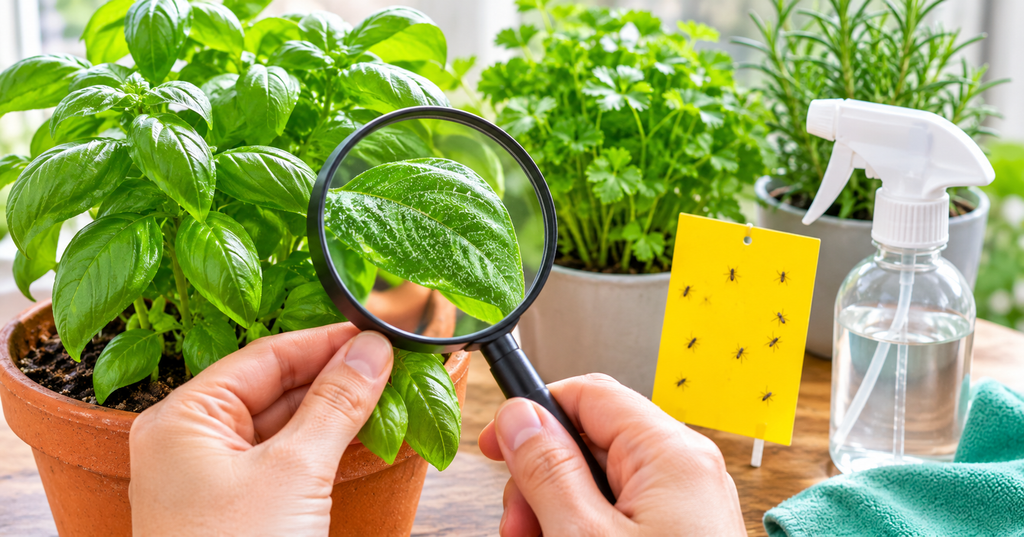
Indoor plants bring greenery into your home, but unwanted insects can quickly turn a healthy plant collection into a frustrating problem. Spider mites, aphids, fungus gnats, whiteflies, and mealybugs are among the pests that can affect houseplants and indoor herbs.
The good news is that preventing pests on indoor plants is usually easier than managing a large infestation. Regular inspections, appropriate watering, clean containers, suitable potting mix, and careful handling of new plants can help reduce the risk of pest problems.
You do not need an elaborate plant-care routine to protect your indoor garden. A few consistent habits can help you notice problems early, keep plants growing well, and reduce the likelihood that pests will spread from one pot to another.
In this guide, you will learn how to prevent pests on indoor plants, identify common warning signs, establish a weekly inspection routine, and respond safely when you discover unwanted insects.
Quick Answer: How Do You Prevent Pests on Indoor Plants?
The most effective way to prevent pests on indoor plants is to combine regular inspection with good growing conditions and basic plant hygiene.
Follow these essential practices:
- Inspect new plants before bringing them into your home.
- Keep new plants separate from your existing collection temporarily.
- Check the undersides of leaves, stems, and new growth regularly.
- Remove dead leaves and decaying plant material.
- Water according to each plant’s needs rather than following a rigid schedule.
- Use suitable potting mix and containers with appropriate drainage.
- Provide enough light and airflow for healthy growth.
- Use sticky traps to monitor flying insects when appropriate.
- Clean reused pots and gardening tools.
- Isolate affected plants as soon as you notice a suspected infestation.
The most important habit is early detection. Finding a few insects before they spread is generally easier to manage than discovering a widespread infestation several weeks later.
1. Inspect New Plants Before Bringing Them Indoors
One of the easiest ways to prevent indoor plant pests is to inspect new plants before adding them to your collection.
Insects and their eggs can arrive on leaves, stems, flowers, and even in the growing medium. A plant may look healthy at first glance while carrying a small population of pests.
Before purchasing or bringing home a plant, examine it carefully.
Check the following areas:
- The undersides of leaves
- Leaf joints and stem connections
- New shoots and unopened buds
- The main stem near the soil surface
- The top of the potting mix
- The drainage holes and pot rim
Look for tiny insects, webbing, sticky residue, white cotton-like patches, unusual leaf spots, or damaged new growth.
Pay particular attention to plants with yellowing leaves, distorted shoots, or fine webbing. These symptoms do not always indicate pests, but they are reasons to inspect more closely.
If possible, choose plants that appear healthy and show no obvious signs of insect activity.
2. Keep New Plants Separate Temporarily
Even after inspecting a plant, it is sensible to keep it separate from your established collection for a short period.
A quarantine period gives hidden pests time to become noticeable before the new plant comes into close contact with other plants.
The University of Minnesota Extension recommends isolating newly acquired plants for one to two weeks while monitoring for possible pest problems.
UMN Extension+1
During this period:
- Place the new plant in a separate area.
- Check its leaves and stems regularly.
- Inspect the soil surface and container.
- Watch for new leaf damage, webbing, or sticky residue.
- Avoid sharing pruning tools between plants without cleaning them.
If you notice suspicious activity, continue keeping the plant separate while identifying and addressing the problem.
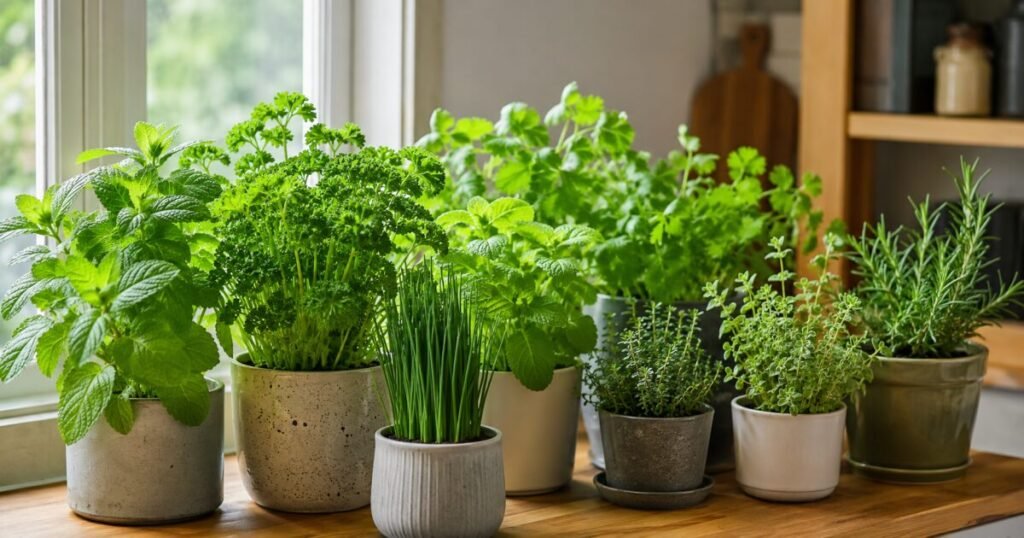
This simple habit is especially useful if you have several indoor herbs growing close together on a windowsill or shelf.
3. Establish a Weekly Plant Inspection Routine
You do not need to inspect every leaf every day, but checking your plants regularly can help you catch problems early.
A weekly inspection is a practical starting point for most indoor plant collections. Check more frequently if you have recently introduced new plants or previously experienced an infestation.
What Should You Look For?
Spider mites: Look for tiny pale speckles on leaves, fine webbing, and small moving dots. Spider mites can be difficult to see without magnification.
Aphids: These small insects often gather around tender new growth, flower buds, and young stems. Affected leaves may curl or become distorted.
Mealybugs: Look for white, cotton-like clusters around leaf joints and stems.
Whiteflies: Small white insects may flutter away when you disturb the foliage. Their immature stages can be found on leaf undersides.
Fungus gnats: These tiny dark flies often hover around damp potting soil. Their presence may indicate that the growing medium remains wet for too long.
Inspect both sides of the leaves, not just the upper surface. Many common houseplant pests hide in protected areas where they are less likely to be noticed.
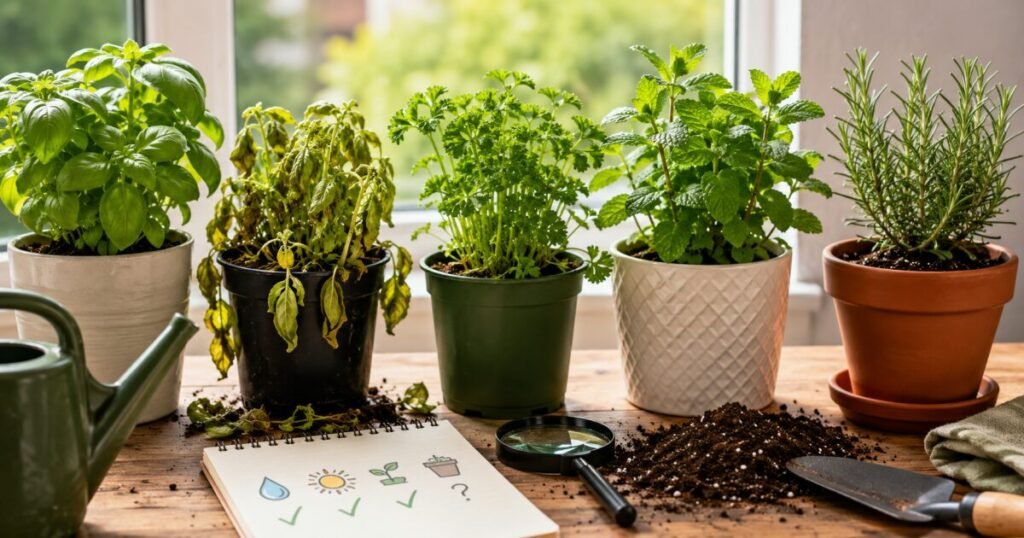
A small magnifying glass can help you examine suspicious spots more closely.
For additional plant-care and troubleshooting information, visit the Indoor Herb Garden Plans FAQs.
4. Water Indoor Plants Correctly
Watering habits can influence several common indoor plant problems, especially fungus gnats, which tend to thrive in consistently moist growing media.
Overwatering does not directly cause every pest infestation, but persistently wet soil can create favorable conditions for some insects and contribute to root damage that weakens plants.
To reduce unnecessary moisture problems:
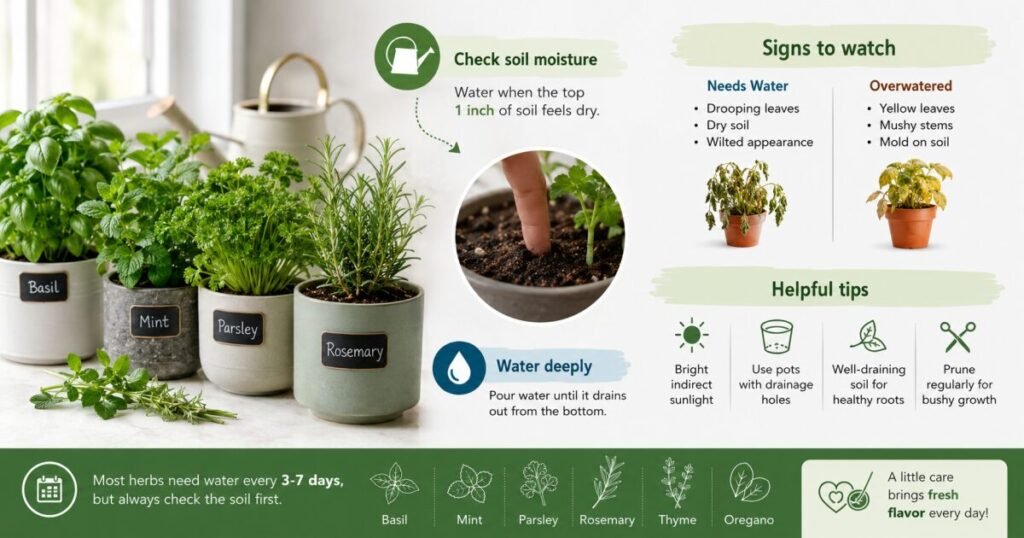
- Check soil moisture before watering.
- Water according to the plant species and growing conditions.
- Avoid leaving pots sitting in standing water.
- Empty saucers after excess water has drained.
- Adjust watering as light, temperature, and plant growth change.
Do not assume that every plant needs water on the same schedule. Basil and mint generally prefer more consistent moisture than rosemary and thyme, for example.
If you grow culinary herbs indoors, our guide to choosing the best soil for herbs explains how growing-medium structure and moisture retention affect plant health.
What About Fungus Gnats?
Fungus gnats are small, dark flies that often appear around indoor plant pots. Their larvae develop in moist organic growing media, where they feed on fungi and decaying material. Although adult gnats are usually a nuisance, heavy larval populations can sometimes affect young or vulnerable roots.
To reduce the likelihood of fungus gnats:
- Avoid keeping the soil continuously wet.
- Remove decaying leaves from the soil surface.
- Make sure containers drain properly.
- Use yellow sticky traps to monitor adult flies.
- Investigate recurring infestations rather than relying on traps alone.
Sticky traps can help detect flying insects, but they do not eliminate larvae developing in the soil.
5. Use Pots With Suitable Drainage
The container you choose can make a significant difference to indoor plant care.
Pots without drainage holes can retain excess water, making it harder to maintain suitable moisture levels. Waterlogged growing media may also encourage fungus gnats and contribute to root problems.
Whenever practical, choose containers with functional drainage holes.
If you prefer decorative pots without holes, place the plant in a separate draining nursery pot and use the decorative container as an outer cover. Remove the inner pot for watering when necessary, and make sure excess water does not accumulate at the bottom.
Learn more in our guide to whether indoor herbs need drainage holes.
You can also review our recommendations for the best pots for indoor herbs if you are planning a new windowsill garden.
6. Keep Leaves, Pots, and Growing Areas Clean
Regular cleaning helps you spot problems sooner and removes dead plant material that can attract certain pests or provide hiding places.
Dusty leaves can also make it harder to notice early signs of insect activity.
Follow these simple practices:
- Remove dead or yellowing leaves when appropriate.
- Clear fallen plant material from the soil surface.
- Wipe dusty leaves gently with a clean, damp cloth when suitable for the plant.
- Clean plant saucers and the surfaces beneath pots.
- Wash gardening tools after working with an affected plant.
- Clean reused containers before planting new herbs.
Avoid using leaf-shine products or harsh household cleaners on plant foliage.
When pruning, use clean tools and avoid moving directly from a suspected infested plant to a healthy one without cleaning your equipment.
Keeping your growing area tidy does not guarantee that pests will never appear, but it makes inspections easier and helps you respond quickly when something changes.
7. Provide Appropriate Light and Growing Conditions
Healthy growing conditions help indoor plants maintain steady growth and tolerate environmental stress.
Insufficient light, unsuitable temperatures, poor airflow, and inappropriate watering can weaken plants or make their care more difficult. Some pests, including spider mites, may also thrive under particular indoor conditions.
To improve your growing environment:
- Match each plant to the light available in your home.
- Avoid placing plants in unsuitable temperature conditions.
- Provide enough space for leaves and stems to grow.
- Avoid abrupt changes in growing conditions.
- Monitor plants more closely when moving them between indoor and outdoor environments.
If your growing area receives limited sunlight, our guide to herbs that grow in low-light apartments can help you select plants that are better suited to your available light.
Remember that low-light tolerance varies by species. A plant that survives in limited light may not necessarily grow vigorously or remain productive under those conditions.
8. Avoid Overcrowding Your Indoor Plants
When plants are placed too close together, their foliage can overlap, and it becomes more difficult to inspect leaves and stems.
Overcrowding can also reduce airflow and make it easier for certain pests to move between neighboring plants.
Leave enough space to examine each plant and access the undersides of its leaves.
If a plant becomes too large for its location, consider pruning it appropriately or moving it to a more suitable spot.
Also watch for signs that an indoor herb is struggling with its environment. Long, weak stems and widely spaced leaves may indicate insufficient light rather than a pest problem.
Our article on why indoor herbs get leggy explains common causes and how to improve growing conditions.
9. Use Sticky Traps to Monitor Flying Insects
Sticky traps can be useful for monitoring certain flying pests in indoor growing areas.
Yellow sticky cards are commonly used to detect fungus gnats, whiteflies, and winged aphids. Blue traps may also help monitor certain pests, including thrips.
Place traps near affected plants or close to the soil surface when monitoring fungus gnats.
However, sticky traps should be considered a monitoring tool rather than a complete pest-control solution.
For example, catching adult fungus gnats does not remove the larvae developing in the potting mix. If the traps continue catching insects, inspect the plants and growing medium to identify the underlying source.
Use traps where they will not accidentally catch beneficial insects or create a nuisance, and keep them out of reach of children and pets.
10. Be Careful With Homemade Bug Sprays
When people discover pests on houseplants, they sometimes reach for vinegar, concentrated dish soap, essential oils, or other household mixtures.
These treatments are not universally safe for plants. Some can damage leaf tissue, particularly when applied at high concentrations or under unsuitable conditions.
Vinegar is not a reliable general-purpose preventative treatment for indoor plant pests, and spraying it on leaves can injure plants.
Similarly, ordinary dishwashing products should not automatically be treated as equivalent to formulated insecticidal soaps.
If a pest problem develops, start by identifying the insect and considering nonchemical options such as rinsing the plant, manually removing pests, pruning heavily affected growth, or isolating the plant.
If a pesticide is needed, choose a product labeled for the specific plant and intended use. Follow all label instructions, including application precautions and any restrictions for edible herbs.
The University of Minnesota Extension provides additional guidance on managing insects on indoor plants, including plant inspection, cleaning, pest removal, and appropriate treatment precautions.
11. Inspect Plants When Bringing Them Indoors
Indoor plant pests can also arrive on plants that have spent time outdoors.
If you move herbs or houseplants outside during warm weather, inspect them carefully before returning them indoors.
Check for:
- Aphids on new shoots.
- Spider mites and fine webbing.
- Whiteflies beneath leaves.
- Mealybugs around leaf joints.
- Insects or debris around the pot rim.
- Unusual activity in the growing medium.
Clean away dead leaves and remove obvious debris before bringing the plant back inside.
Keep returning plants separate from your main collection temporarily when possible, and continue inspecting them after the move.
The same precaution applies to plants received as gifts, plants purchased from garden centers, and cuttings obtained from friends.
If you are propagating herbs from cuttings, use healthy source plants and clean containers. Our guide to growing herbs from cuttings explains the basics of starting new plants while maintaining suitable growing conditions.
12. Respond Quickly When You Notice a Problem
Even with good prevention habits, pests can occasionally appear. The goal is to catch the problem early and prevent it from spreading.
When you notice suspicious insects or plant damage, follow these steps.
First, isolate the affected plant. Move it away from neighboring plants when practical.
Second, identify the pest. Examine the leaves, stems, and growing medium carefully. If you cannot identify the cause, take clear photographs and consult a reliable gardening resource or local horticulture professional.
Third, assess the extent of the problem. A few aphids on one shoot require a different response from a severe infestation involving most of the plant.
Fourth, use an appropriate treatment. Depending on the pest, rinsing the foliage, removing affected parts, or using a properly labeled plant-care product may be suitable.
Fifth, monitor the plant after treatment. Continue checking for new insects or damage and follow product directions if repeated applications are required.
Do not assume that a plant needs more water just because its leaves are wilting. Root damage, pest activity, and environmental stress can all contribute to similar symptoms.
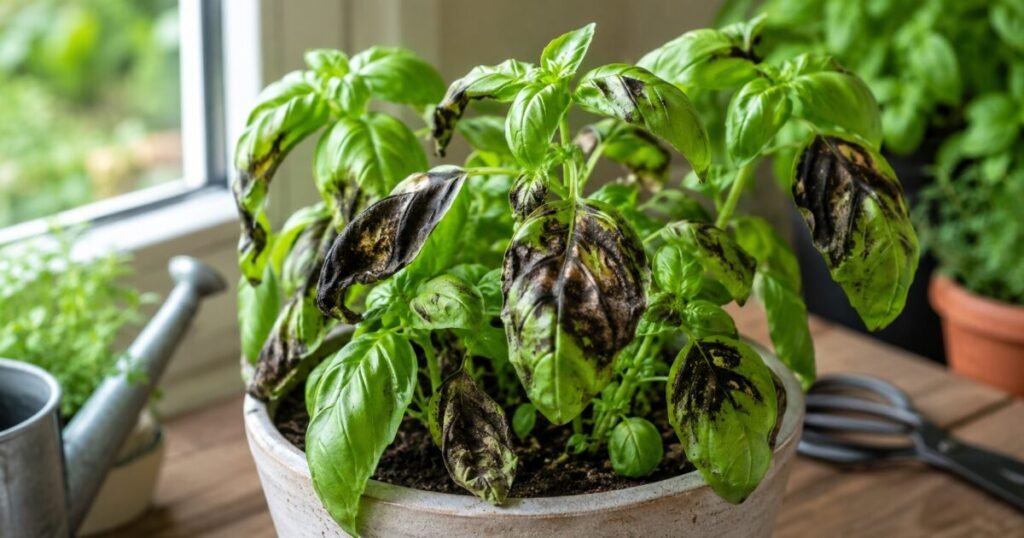
If you grow basil, for example, blackened leaves may have several possible causes. Our guide to why basil turns black indoors discusses common causes and troubleshooting steps.
A Simple Weekly Indoor Plant Pest-Prevention Routine
You do not need to spend hours caring for your plants. A consistent routine makes it easier to notice changes before they become serious.
Use the following checklist once a week, and inspect plants more frequently if you have recently introduced new ones or noticed suspicious symptoms.
- Inspect the upper and lower surfaces of leaves.
- Check stems, leaf joints, and new shoots for insects.
- Look for webbing, sticky residue, holes, or unusual discoloration.
- Remove dead leaves and decaying plant material.
- Check soil moisture before watering.
- Empty saucers containing excess water.
- Review sticky traps for flying insects.
- Separate any plant with a suspected infestation.
- Clean tools after working with affected plants.
- Record recurring problems so you can identify patterns.
A short inspection each week is easier to maintain than trying to manage several established infestations at once.
How to Adjust the Routine for Different Indoor Herbs
Not all herbs have identical growing requirements, so pest prevention should fit the plants you grow.
- Basil: Maintain suitable moisture, provide bright light, and inspect tender new growth.
- Mint: Monitor dense foliage and avoid leaving the potting mix continuously saturated.
- Rosemary and thyme: Provide bright light and suitable drainage, and avoid excessive watering.
- Parsley and cilantro: Inspect the undersides of leaves and remove damaged foliage when appropriate.
For additional guidance on choosing herbs for different growing conditions, see our guide to drought-tolerant indoor plants and herbs.
You can also learn more about how to grow basil indoors if basil is part of your indoor garden.
Common Mistakes That Increase the Risk of Indoor Plant Pests
Several common habits can make pest prevention more difficult.
Ignoring the Undersides of Leaves
Many pests hide beneath leaves or around stems, where they may go unnoticed during casual inspections.
Check these areas carefully, particularly when you see unexplained leaf discoloration or distorted growth.
Buying Plants Without Inspecting Them
A plant may appear healthy from a distance but still carry insects or eggs. Inspect plants before purchasing them and keep new additions separate temporarily.
Watering Every Plant on the Same Schedule
Different plants have different water requirements. Watering all containers at the same frequency can leave some plants too wet and others too dry.
Check the growing medium and adjust watering to each plant.
Reusing Dirty Pots and Tools
Containers and tools can retain soil, plant debris, or pests. Clean them before reusing them, especially when a previous plant had an infestation.
Relying Only on Sticky Traps
Sticky traps help detect certain flying insects but cannot manage every stage of every pest’s life cycle.
If you repeatedly catch fungus gnats, for example, investigate the growing medium and watering conditions rather than relying on traps alone.
Applying Treatments Without Identifying the Pest
Not every insect requires the same treatment. A product intended for one pest may be ineffective against another, and unsuitable mixtures can damage plants.
Identify the problem first and select a treatment appropriate for the plant.
Frequently Asked Questions About Preventing Pests on Indoor Plants
1. What Is the Best Way to Prevent Pests on Indoor Plants?
The best approach is to inspect plants regularly, keep new plants separate temporarily, remove dead leaves, maintain suitable watering and drainage, and provide appropriate light and airflow. These habits can help you detect pests early and reduce conditions that favor some infestations.
2. How Often Should I Check My Houseplants for Pests?
A weekly inspection is a useful starting point for most indoor plants. Check more frequently after introducing a new plant, moving plants indoors from outside, or discovering signs of insects.
3. Does Overwatering Attract Indoor Plant Pests?
Overwatering can create conditions that favor fungus gnats, which develop in moist organic growing media. However, not all houseplant pests are associated with wet soil. Spider mites, aphids, and mealybugs have different habits, so prevention should address the specific pest.
4. Does Vinegar Prevent Bugs on Indoor Plants?
Vinegar is not a reliable general-purpose pest-prevention treatment for houseplants. It can injure leaves and other plant tissue. Instead, inspect plants regularly, maintain suitable growing conditions, and use a treatment specifically intended for the pest when necessary.
5. Can I Use Dish Soap to Prevent Plant Pests?
Ordinary dishwashing products should not automatically be used as plant sprays. Some formulations can damage foliage. If treatment is necessary, use an appropriate product labeled for the plant and pest, and follow the directions carefully.
6. Do Indoor Plants Need to Be Quarantined After Purchase?
Keeping new plants separate temporarily is a sensible precaution. A one- to two-week observation period can help reveal pest problems before the plant joins your existing collection. Continue inspecting the plant throughout this period.
7. Are Sticky Traps Enough to Prevent Fungus Gnats?
No. Sticky traps help monitor and catch adult flying insects, but they do not eliminate larvae developing in the potting mix. To manage recurring fungus gnats, review watering, drainage, and soil conditions as well.
8. Can Healthy Indoor Plants Still Get Pests?
Yes. Pests can arrive on newly purchased plants, cuttings, clothing, gardening tools, or plants that have spent time outdoors. Good plant care can reduce some risks, but it cannot guarantee that insects will never appear.
9. Should I Use Neem Oil on Indoor Plants as a Preventative Measure?
Routine spraying is not always necessary. First determine whether a pest is present and whether a treatment is appropriate for that pest and plant. If you use a neem-based product, follow its label instructions and check that it is suitable for edible herbs if you grow plants for food.
10. What Should I Do if Pests Keep Returning?
Recheck the identification, inspect nearby plants, and look for the source of the recurring problem. Some pests have life stages that are difficult to detect, so one treatment may not be sufficient. Follow appropriate treatment instructions and continue monitoring the plant after intervention.
For more detailed information about indoor plant care and insect management, the Mississippi State University Extension guide to indoor plant care is another useful reference.
Final Thoughts
Preventing pests on indoor plants does not require complicated equipment or constant treatment. The most effective approach is to maintain suitable growing conditions, inspect plants regularly, keep containers and growing areas clean, and respond promptly when you notice unusual symptoms.
Start with three simple habits: inspect new plants before introducing them to your collection, check your plants weekly, and water according to their individual needs.
If you discover insects, identify the pest before choosing a treatment. Isolate affected plants when appropriate, monitor neighboring plants, and use products designed for the intended purpose rather than relying on untested household mixtures.
With a consistent routine, you can reduce the likelihood of serious infestations and create a healthier environment for your indoor herbs and houseplants.