Indoor Herb Care

Practical guidance for caring for indoor herbs, including watering, light, feeding, pruning, and troubleshooting common problems.

how to prevent pests on indoor plants

How to Prevent Pests on Indoor Plants: 12 Simple Tips

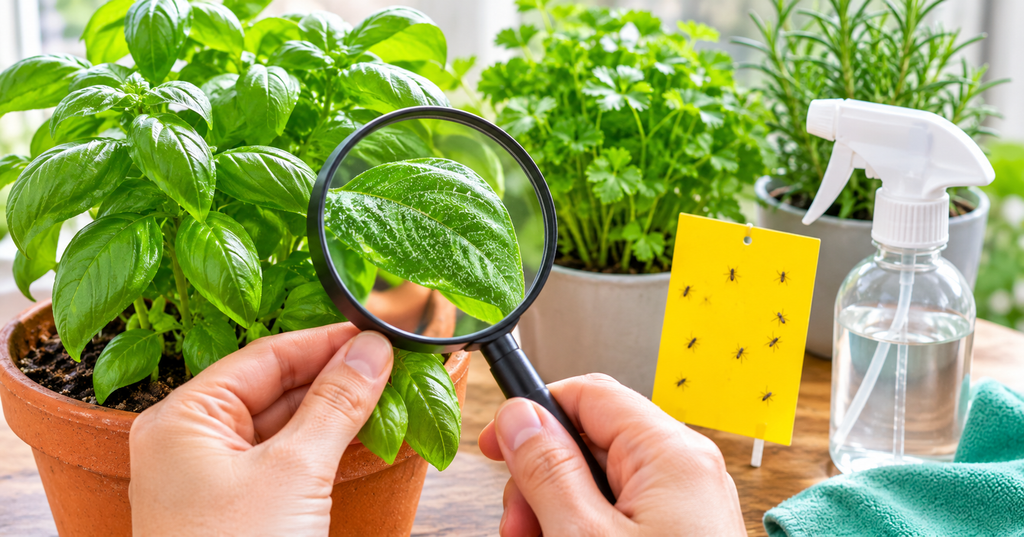
Indoor plants bring greenery into your home, but unwanted insects can quickly turn a healthy plant collection into a frustrating problem. Spider mites, aphids, fungus gnats, whiteflies, and mealybugs are among the pests that can affect houseplants and indoor herbs. The good news is that preventing pests on indoor plants is usually easier than managing

How to Prevent Pests on Indoor Plants: 12 Simple Tips Read More »
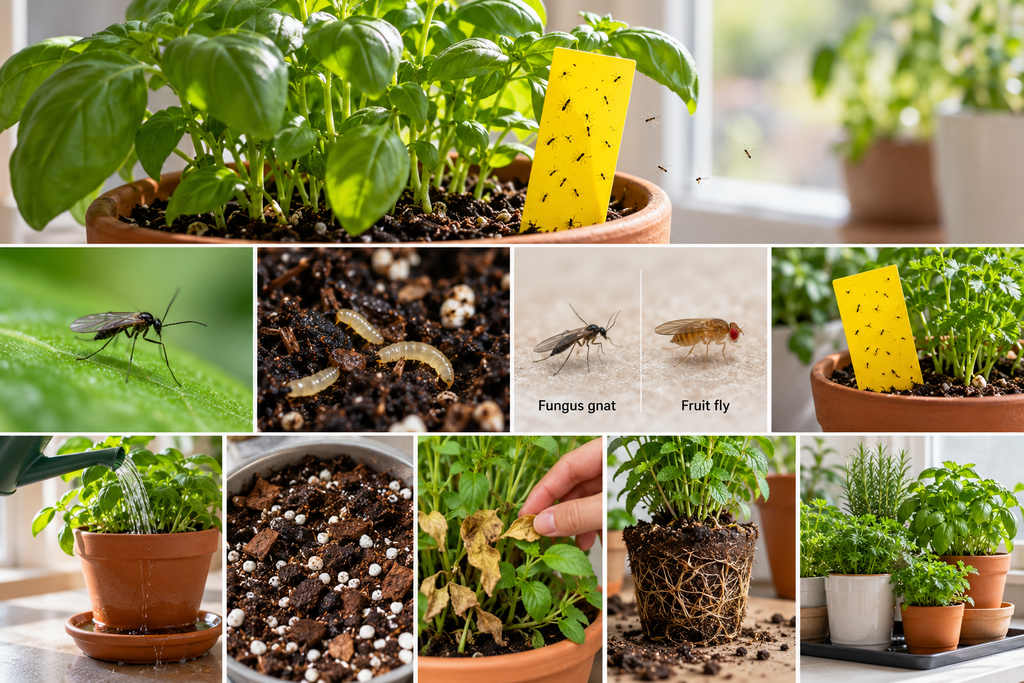
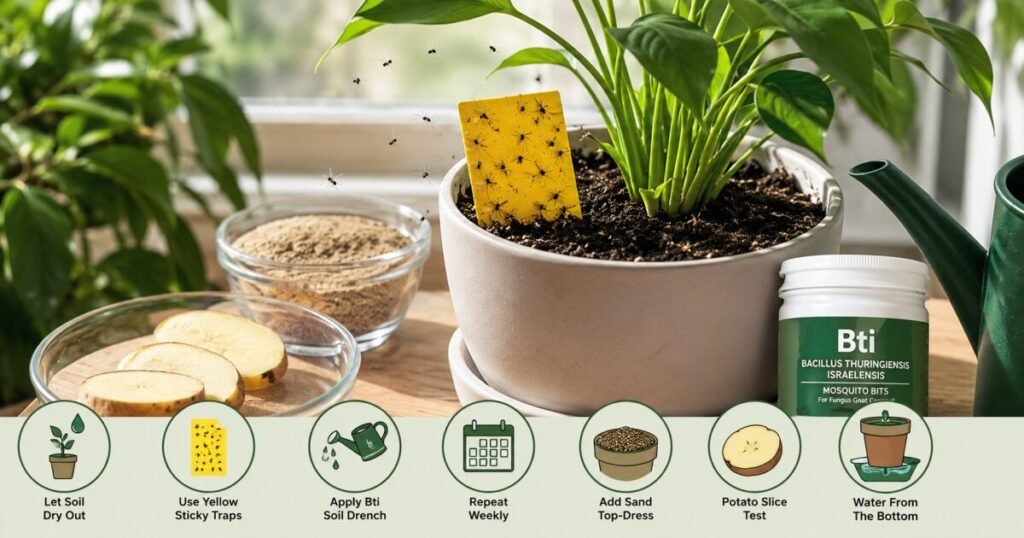
How to Get Rid of Fungus Gnats in Indoor Herb Plants

How to Get Rid of Fungus Gnats in Indoor Herb Plants: 7 Effective Solutions

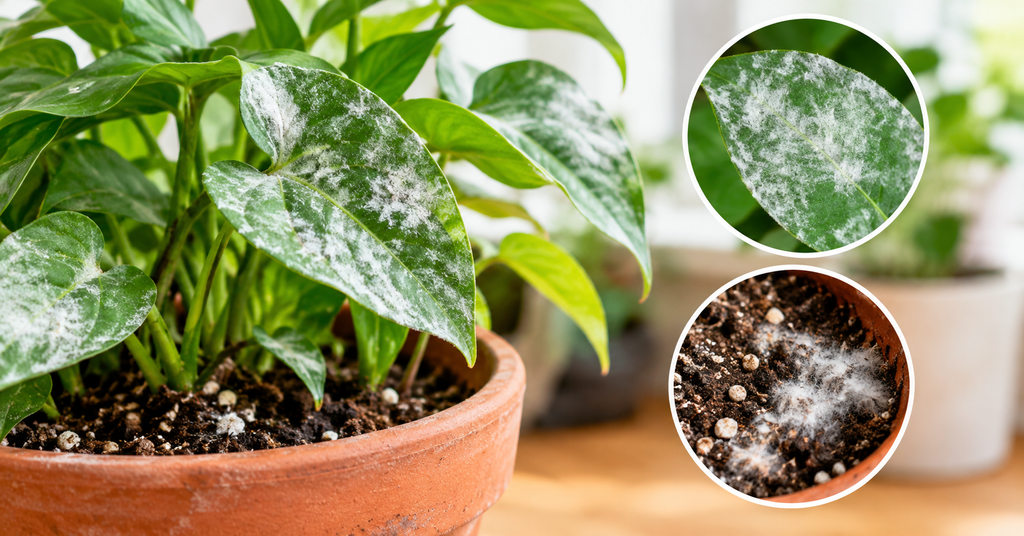
Fungus gnats in indoor herb plants can be frustrating. You water your basil, mint, parsley, or cilantro, and suddenly tiny black flies start hovering around the pots, landing on the soil, and drifting across your kitchen. The good news is that you usually don’t need to throw away your herbs or spray your entire indoor

How to Get Rid of Fungus Gnats in Indoor Herb Plants: 7 Effective Solutions Read More »

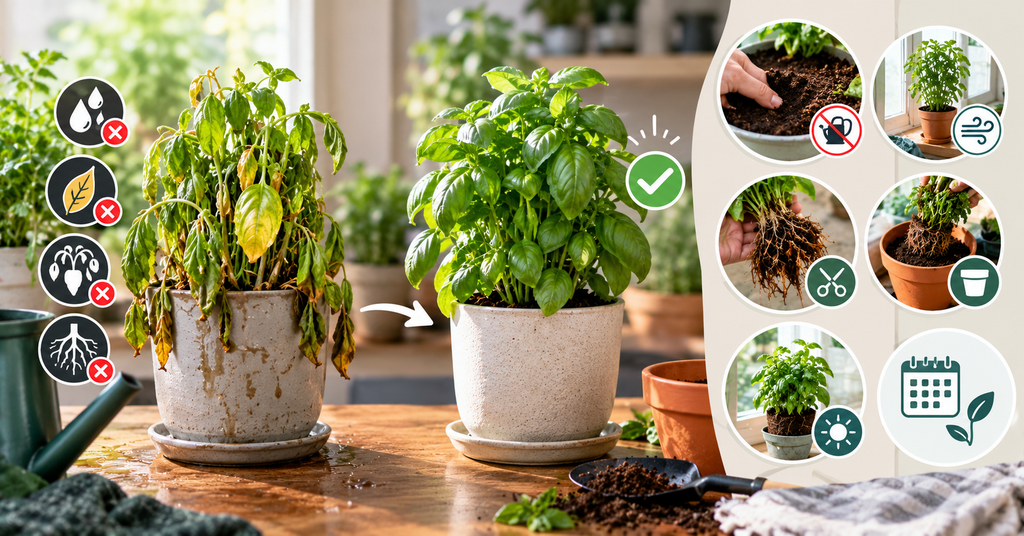
How to Fix Overwatered Indoor Herbs

How to Fix Overwatered Indoor Herbs: A Step-by-Step Rescue Guide

Your indoor herbs are wilting, turning yellow, dropping leaves, or looking unhealthy even though you’ve been watering them regularly. Surprisingly, these can all be signs of overwatering rather than underwatering. When herb soil stays wet for too long, the roots can become deprived of oxygen and eventually develop root rot. The plant may then wilt

How to Fix Overwatered Indoor Herbs: A Step-by-Step Rescue Guide Read More »

How Often to Water Herbs

How Often to Water Herbs? Indoor, Outdoor, and Potted Herb Watering Guide

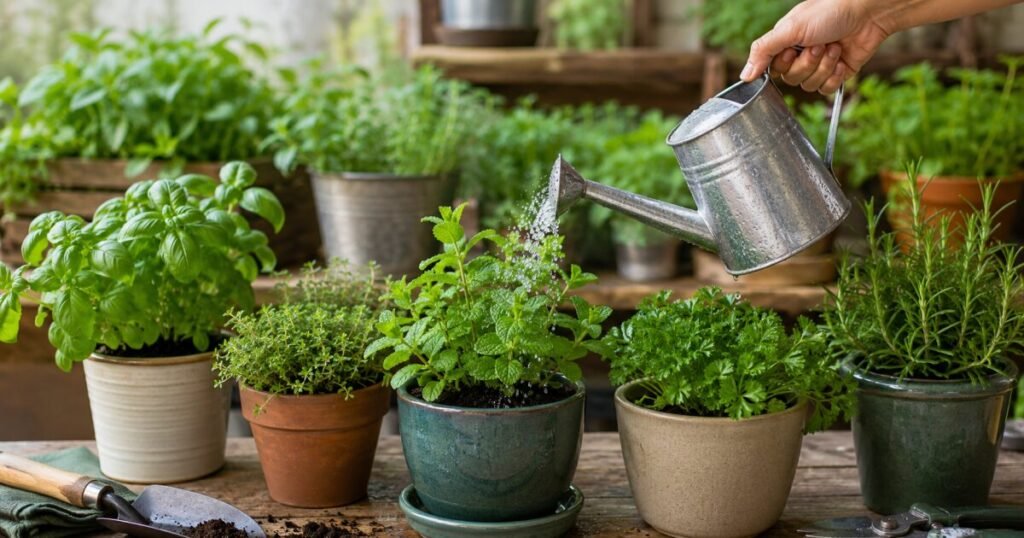
How often to water herbs? Most herbs need watering 1–3 times per week, depending on whether they are grown indoors, outdoors, or in pots. Instead of following a strict schedule, water herbs when the top 1–2 inches of soil feel dry. Potted herbs usually need more frequent watering than herbs planted in the ground, while

How Often to Water Herbs? Indoor, Outdoor, and Potted Herb Watering Guide Read More »

Basil Turns Black

Why Basil Turns Black Indoors (+ 7 Quick Fixes That Actually Work)

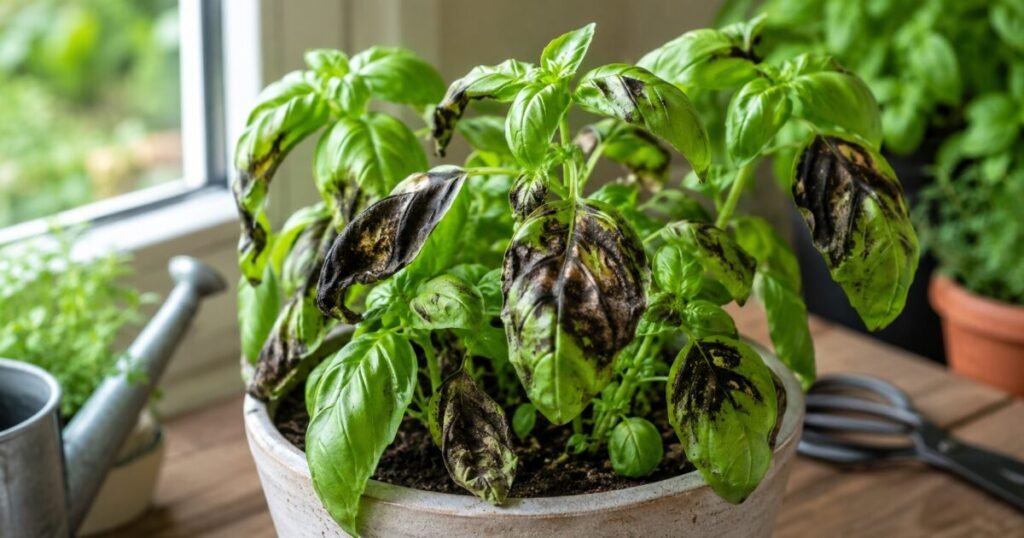
Basil turns black indoors most commonly because of overwatering, cold temperatures, poor airflow, insufficient sunlight, fungal diseases, or physical damage to the leaves and stems. To fix the problem, allow the soil to dry slightly between waterings, place the plant in at least 6–8 hours of bright sunlight, maintain indoor temperatures between 65–85°F (18–29°C), improve

Why Basil Turns Black Indoors (+ 7 Quick Fixes That Actually Work) Read More »

Herbs That Grow in Low Light

11 Best Herbs That Grow in Low Light Apartments (Beginner Friendly Guide)

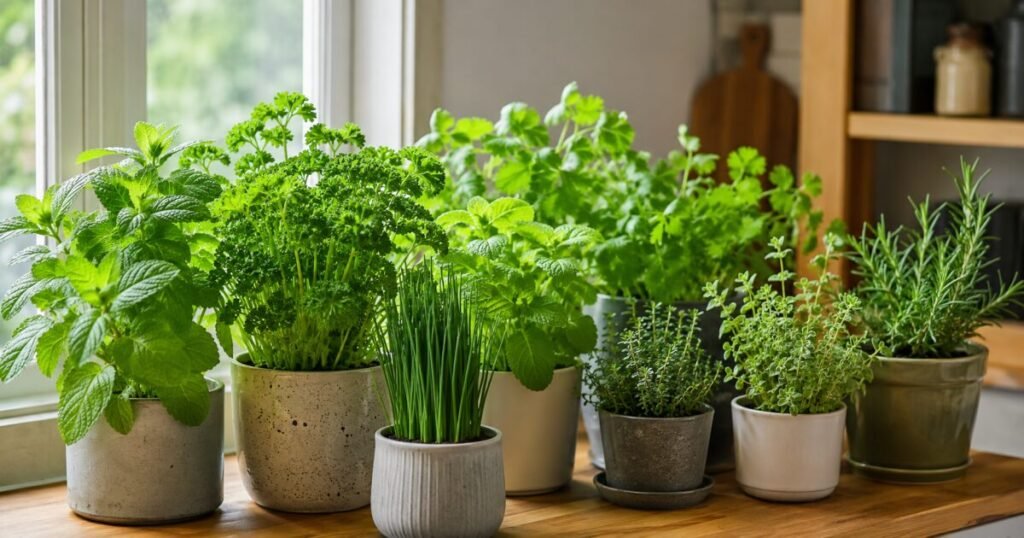
What are the best herbs that grow in low light apartments? The best herbs that grow in low light apartments are mint, parsley, chives, lemon balm, cilantro, thyme, oregano, bay laurel, sage, Vietnamese coriander, and shiso. These herbs tolerate indirect or filtered sunlight better than most edible plants, making them excellent options for apartments, small

11 Best Herbs That Grow in Low Light Apartments (Beginner Friendly Guide) Read More »

my indoor herbs keep dying

Why Do My Indoor Herbs Keep Dying? 11 Common Mistakes and Easy Fixes for Beginners

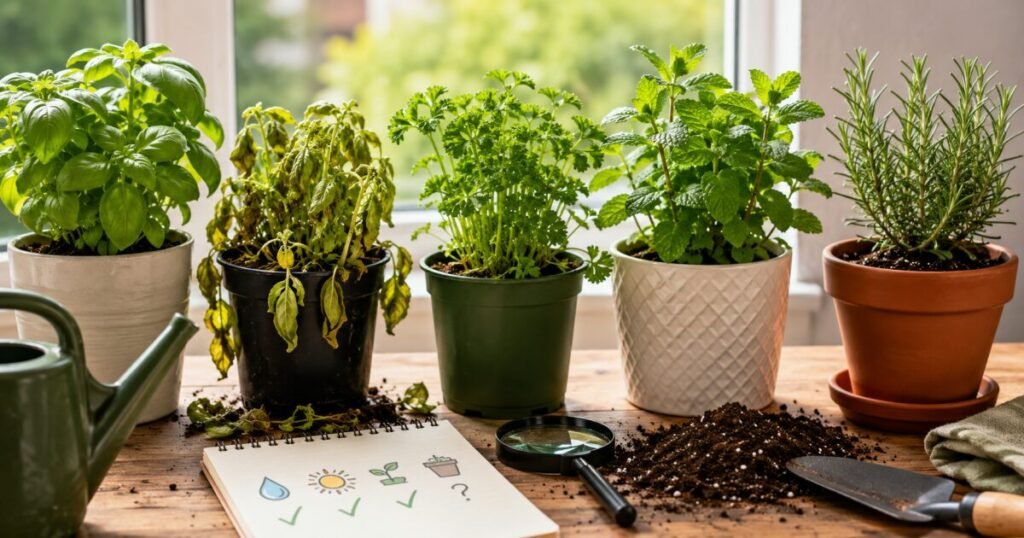
Why do my indoor herbs keep dying? Indoor herbs usually die because they don’t receive enough sunlight, are watered too much or too little, have poor drainage, lack proper airflow, or are grown in the wrong containers. Most beginner problems are easy to fix by improving light, watering only when the soil needs it, and

Why Do My Indoor Herbs Keep Dying? 11 Common Mistakes and Easy Fixes for Beginners Read More »