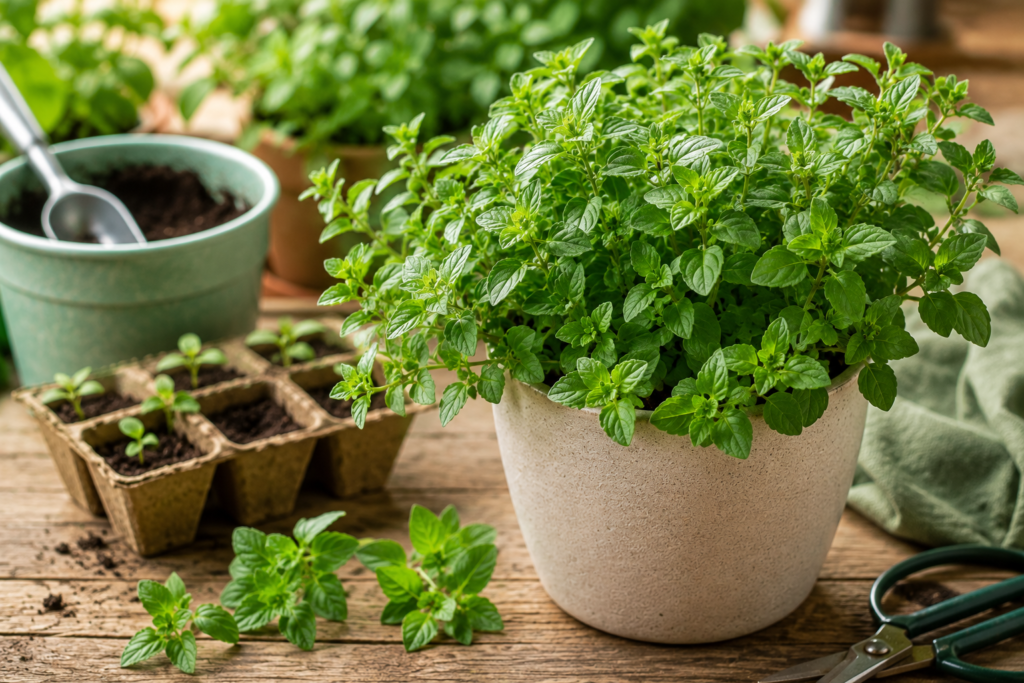
Oregano grows best in full sun with well-drained, slightly alkaline soil, needing at least 6 hours of light a day whether it’s planted in the ground, a pot, or indoors on a bright windowsill. It tolerates neglect better than overwatering, spreads readily once established, and comes back year after year as a hardy perennial in most climates.
Oregano is one of the most forgiving herbs you can grow, but “forgiving” doesn’t mean “no wrong moves.” Most struggling oregano plants aren’t underwatered; they’re overwatered, planted in overly rich soil, or stuck somewhere without enough direct light. This guide covers growing it outdoors, indoors, in containers, and from seed; how to harvest it so it keeps producing; how to use it once you’ve got a full plant; and what the research says about its health benefits.
- How to Grow Oregano From Seed
- How to Grow Oregano Outdoors
- Can You Grow Oregano Indoors?
- How to Grow Oregano in a Pot
- How to Harvest Oregano So It Keeps Growing
- Does Oregano Grow Back Every Year?
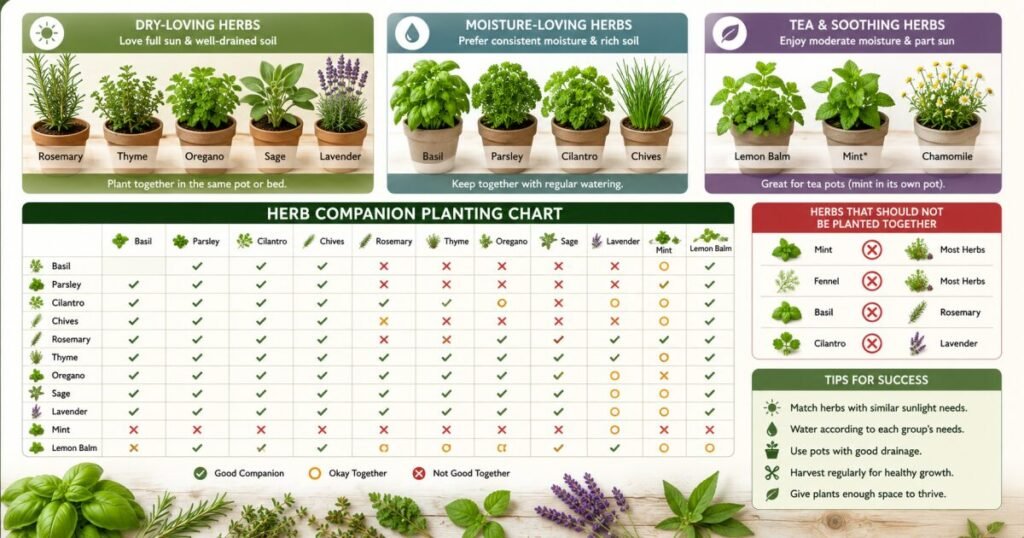
- What Should You Not Plant Next to Oregano?
- Oregano Uses in Cooking
- What Can I Use Instead of Oregano?
- Health Benefits of Oregano
- Common Misconceptions About Growing Oregano
- Key Takeaways
- FAQs
How to Grow Oregano From Seed
Oregano seeds are tiny, and the biggest mistake most people make is burying them. They need light to germinate, so press them lightly onto the surface of moist seed-starting mix instead of covering them with soil. For more guidance on getting the right balance of light and watering when growing herbs indoors, use the same principle here: provide adequate light while keeping the growing medium consistently moist without making it soggy.
Starting indoors (recommended for most climates):
- Start seeds 6–10 weeks before your last expected frost date.
- Fill a seed tray with a light, well-draining seed-starting mix.
- Press seeds onto the surface; don’t bury them.
- Mist lightly to keep the surface consistently moist, not soaked.
- Keep the tray somewhere warm; germination typically takes about 4 days in warm soil, though it can stretch to 1–2 weeks depending on temperature.
- Once seedlings have 2–3 sets of true leaves, transplant into individual pots or harden off for outdoor planting.
Direct sowing outdoors: Wait until after your last frost and soil has warmed. Sprinkle seeds on the surface of prepared soil, press down gently, and keep consistently moist until germination.
A practical note on seed-grown plants: oregano cultivars don’t always come true from seed, meaning a plant grown from saved seed can taste noticeably different (often milder) than its parent plant. If flavor intensity matters to you, propagating from a stem cutting or buying an established nursery plant gives more predictable results than starting from seed.
How to Grow Oregano Outdoors
Soil: Oregano evolved on rocky Mediterranean hillsides, dry, alkaline, low in organic matter, and replicating those conditions is the single biggest driver of flavor quality. Target a soil pH of 6.0–8.0, ideally slightly alkaline (7.0–7.5). Skip the rich compost: high-nitrogen soil produces lush, watery leaves with noticeably weaker flavor and aroma. A simple drainage test works well here: if a handful of soil clumps together when squeezed, it’s too dense; if it crumbles apart easily, it’s ready to plant.
Sun: Give oregano at least 4–6 hours of direct sun daily, though 8 or more produces noticeably stronger flavor. Avoid areas irrigated by lawn sprinklers, since consistently damp soil surfaces encourage root disease, slugs, and sowbugs.
Spacing: Space plants 12–18 inches apart. Oregano spreads vigorously by underground roots once established, and cramped spacing leads to poor airflow and disease pressure later on.
When to plant: Plant outdoors in spring after the last frost, once soil has warmed. In mild-winter climates (zone 8b and warmer), early fall planting also works, giving roots time to establish before the following winter.
Watering: Water regularly until the plant is established, then cut back significantly. Let soil dry out between waterings oregano is genuinely more likely to die from soggy roots than from being forgotten for a week.
Fertilizer: Usually unnecessary. If you fertilize at all, use a balanced (not nitrogen-heavy) formula once a year at most; heavy feeding trades flavor for leaf volume.
Can You Grow Oregano Indoors?
Yes, oregano adapts well to indoor growing, though it’s more light-demanding than shade-tolerant herbs like mint or parsley, so indoor success depends heavily on getting light right.
How to Grow Oregano Indoors
- Choose the sunniest window you have, ideally south-facing, providing at least 6 hours of direct light. If your home doesn’t get that much natural light, a basic grow light running 12–14 hours a day makes a real difference; oregano grown in low light gets leggy and loses flavor intensity.
- Use a well-draining container with drainage holes; this matters even more indoors, where airflow is lower and soggy soil takes longer to dry out.
- Use a light, well-draining potting mix, not garden soil, amended with a bit of extra perlite or coarse sand if it feels dense.
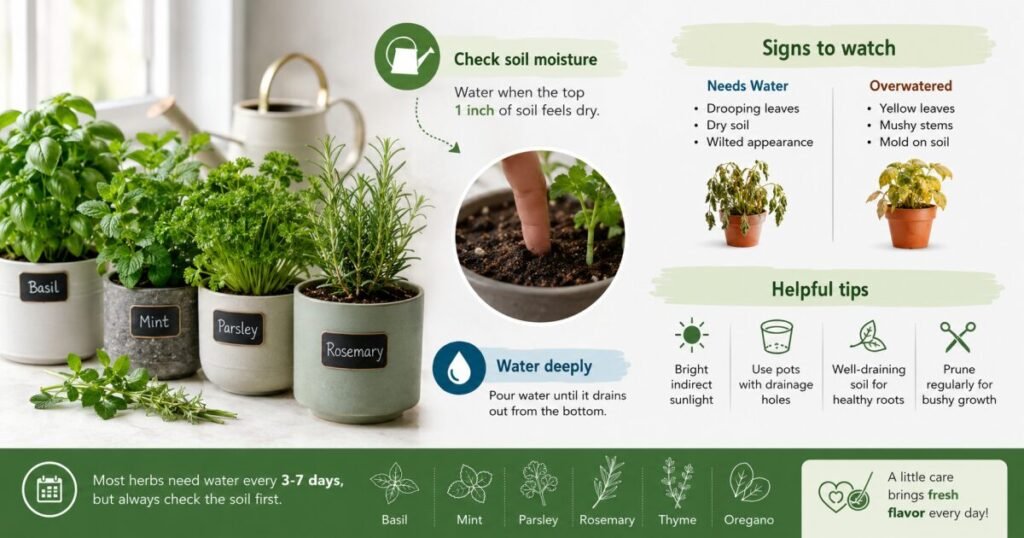
- Water only when the top inch of soil is dry. Indoor oregano needs less frequent watering than most people expect, especially in a pot with good drainage.
- Keep it away from cold drafts and heating vents, both of which stress the plant and dry out soil unevenly.
- Rotate the pot occasionally so growth stays even instead of leaning hard toward the light source.
How to Grow Oregano in a Pot
Growing oregano in a pot works whether it lives indoors or on a patio, and the core requirements are the same either way:
- Pot size: Start with at least a 6–8 inch pot; oregano’s root system is moderate, not deep, so it doesn’t need an especially large container early on.
- Drainage holes are non-negotiable. Oregano is genuinely more prone to root rot in a pot without them than almost any other common culinary herb.
- Repot every 2–3 years to refresh the soil and manage the root system, since potted oregano can eventually become root-bound.
- Terracotta pots are a good match for oregano specifically, since their porous, fast-drying nature mimics the dry conditions the plant naturally prefers.
- Bring potted oregano indoors before frost if you’re in a colder climate and want to keep it going through winter rather than treating it as an annual.
How to Harvest Oregano So It Keeps Growing
Oregano rewards regular harvesting; the more you cut it (within reason), the bushier and more productive it gets.
- Wait until the plant has at least 4–6 inches of growth before the first harvest, giving it time to establish a strong root system.
- Harvest in the morning, after dew has dried but before the heat of the day, when essential oil concentration in the leaves is highest.
- Cut stems just above a leaf node, not down at the base; this is where new branching happens, and cutting here is what encourages a fuller plant instead of a few long, bare stems.
- Prune before flowering if leaf production is your priority. Once oregano flowers, energy shifts toward seed production and leaf flavor can become slightly more bitter.
- Harvest frequently rather than all at once. Regular light harvesting produces more tender new growth over the season than occasional heavy cutting.
- Cut back by about half in midsummer for established outdoor plants this prevents legginess and triggers a fresh flush of new growth for a second harvest later in the season.
Does Oregano Grow Back Every Year?
Yes, in most climates. Oregano is a hardy perennial in USDA zones 4–10, depending on the variety. Greek and common oregano are the most reliably cold-hardy types. In zones 5–10, it typically overwinters well outdoors with a layer of mulch for protection. In colder zones, it often dies back to the ground and returns in spring, though a wet, poorly-drained winter is more likely to kill it than cold temperatures alone. Improving drainage before winter (working in coarse sand, avoiding mulch piled directly against the crown) matters more than worrying about frost.
In containers, oregano can be brought indoors before frost and treated as a year-round plant regardless of your outdoor climate zone.
What Should You Not Plant Next to Oregano?
A few companion-planting combinations genuinely work against oregano’s preference for dry, lean soil and full sun:
| Avoid Planting Near Oregano | Why |
| Mint | Aggressive spreading roots crowd out and outcompete oregano, despite similar family and care needs |
| Cucumbers, squash, watermelon | Need far more water than oregano tolerates, raising root rot risk |
| Corn | Heavy feeder that competes for nutrients and can shade out sun-loving oregano |
| Potatoes | Prefer more acidic soil than oregano’s alkaline preference, and share some disease susceptibility |
| Lettuce, collards, and other moisture-loving greens | Need consistently moist soil that leads to overwatering stress for oregano |
| Spreading ornamental grasses | Compete aggressively for space, creating years of ongoing weeding |
Good companions, by contrast, tend to share oregano’s love of dry, sunny conditions think rosemary, lavender, thyme, strawberries, and other Mediterranean-climate plants.
Oregano Uses in Cooking
Oregano is a cornerstone herb in Mediterranean, Italian, Greek, and Mexican cooking, valued for its bold, slightly peppery, earthy flavor with mild bitterness.
- Tomato-based dishes, sauces, pizza, pasta bakes
- Grilled meats and marinades, especially lamb, chicken, and beef
- Greek dishes, salads, roasted potatoes, tzatziki-adjacent seasoning blends
- Mexican and Tex-Mex cooking: Mexican oregano (a different plant, Lippia graveolens, though culinarily interchangeable in many recipes) is common in chili, beans, and salsas
- Vinaigrettes and dressings pair well with olive oil, lemon, and garlic
- Roasted vegetables especially alongside other Mediterranean herbs
Fresh Oregano Uses
Fresh oregano has a brighter, slightly less concentrated flavor than dried, and it’s best added toward the end of cooking, since heat breaks down its more delicate aromatic compounds quickly.
Let’s learn how to use fresh oregano
- Strip leaves from the stem by running your fingers down the stem in the opposite direction of growth; they come off cleanly in one motion.
- Chop just before using, since cut fresh herbs lose aromatic oils quickly once exposed to air.
- Add near the end of cooking for the brightest flavor, or use raw in dressings and finishing garnishes.
- Use whole sprigs to infuse oil or flavor a broth, then remove before serving
- Add to fresh salads for a sharper, more herbaceous flavor than the dried version provides
- Layer fresh leaves into sandwiches or on top of finished pizza after baking
- Store short-term in the refrigerator, either wrapped in a slightly damp paper towel or standing in a glass of water; fresh oregano keeps for about a week this way.
- Freeze for longer storage by chopping and freezing in ice cube trays with a bit of olive oil or water a convenient way to use up a large harvest before it wilts.
Dried Oregano Uses in Cooking
Dried oregano is more concentrated in flavor than fresh, which is why recipes typically call for less; roughly a 1:3 ratio (1 part dried to 3 parts fresh) is a standard conversion.
- Add early in cooking; dried herbs need time and heat to release their full flavor, unlike fresh
- Works well in slow-cooked dishes (stews, braises, long-simmered sauces) where fresh oregano would lose potency anyway
- A staple in dry spice rubs for meats, since it holds up well to grilling and roasting heat
What Can I Use Instead of Oregano?
If you’re out of oregano mid-recipe, a few substitutes work reasonably well depending on the dish:
| Substitute | Best For | Notes |
| Marjoram | Almost any oregano recipe | Closely related, milder and sweeter; use slightly more than the oregano called for |
| Thyme | Tomato sauces, roasted meats | Different flavor profile but similarly earthy; use in smaller amounts |
| Italian seasoning blend | General cooking | Usually already contains oregano alongside basil, thyme, and rosemary |
| Basil | Fresh, lighter dishes | Works better in fresh applications than long-simmered sauces |
| Mexican oregano | Mexican/Tex-Mex dishes specifically | A different plant species, but the standard substitute in Mexican cooking when common oregano isn’t available |
Marjoram is generally considered the closest one-to-one substitute, since the two herbs are botanically related and share a similar aromatic profile, just at different intensities.
Health Benefits of Oregano
Oregano has a longer history of culinary and traditional medicinal use than most herbs, and some of that reputation is backed by real research, though it’s worth being clear about where the evidence is strong versus preliminary.
- Antioxidant content: Oregano is notably rich in antioxidant compounds, including rosmarinic acid and thymol, which help neutralize free radicals in laboratory and some human studies.
- Antimicrobial properties: Thymol and carvacrol, two of oregano’s main aromatic compounds, have shown antimicrobial activity against certain bacteria and fungi in laboratory research; this is part of why oregano oil has traditionally been used as a natural preservative.
- Anti-inflammatory potential: Some studies suggest oregano’s compounds may help reduce markers of inflammation, though most of this evidence comes from smaller or preclinical studies rather than large-scale human trials.
- Nutrient content: Even in small culinary amounts, oregano contributes trace vitamin K, iron, and manganese to the diet, though the amounts used in typical cooking are too small to significantly affect daily nutrient intake on their own.
A note on limitations: most of the stronger evidence for oregano’s health benefits comes from concentrated oregano oil or extract in lab and animal studies, not from the small amounts used in everyday cooking. Culinary oregano is a genuinely flavorful, antioxidant-containing addition to a meal; it isn’t a substitute for medical treatment, and concentrated oregano oil supplements should be used cautiously, since they can interact with certain medications and aren’t appropriate for everyone.
Common Misconceptions About Growing Oregano
“Oregano needs rich, fertile soil to thrive.”
The opposite is true; overly rich soil produces lush but weak-flavored leaves; oregano actually performs best in lean, well-drained soil.
“More water means healthier oregano.”
Oregano is far more likely to fail from overwatering and root rot than from underwatering.
“Oregano and Mexican oregano are the same plant.”
They’re not; common (Mediterranean) oregano is Origanum vulgare, while Mexican oregano is typically Lippia graveolens, a different plant entirely, though the two are often used interchangeably in cooking.
“You have to grow oregano in the ground for it to spread properly.”
Container-grown oregano thrives just as reliably as in-ground plants, as long as pot size and drainage are adequate.
“Dried oregano is a weaker version of fresh.”
Dried oregano is actually more concentrated in flavor per teaspoon than fresh; the difference is in flavor character, not overall strength. Because oregano is such a versatile culinary herb, it’s also worth considering it when planning an Every Kitchen Should Have list of essential herbs and spices.“Oregano needs rich, fertile soil to thrive.”
Key Takeaways
- Oregano needs full sun, well-drained soil, and minimal fertilizer; it performs best when slightly neglected rather than pampered.
- Indoors, a bright south-facing window or grow light is essential; low light produces leggy, weak-flavored plants.
- Seeds need light to germinate; press them onto the soil surface rather than burying them.
- Regular harvesting, cutting just above a leaf node, encourages bushier, more productive growth.
- It’s a reliable perennial in most climates (zones 4–10), more likely to fail from soggy winter soil than cold temperatures alone.
- Fresh and dried oregano aren’t interchangeable 1:1 dried is more concentrated, roughly a 1:3 dried-to-fresh ratio.
FAQs
1. Does oregano grow back every year?
Yes, in most climates oregano is a hardy perennial in USDA zones 4–10, typically dying back in winter and returning in spring, with poor drainage being a bigger threat to its survival than cold temperatures alone.
2. How do you cut oregano so it keeps growing?
Cut stems just above a leaf node rather than at the base, harvest regularly rather than all at once, and cut established plants back by about half in midsummer to encourage a fresh flush of growth.
3. What should you not plant next to oregano?
Avoid mint, cucumbers, squash, watermelon, corn, potatoes, and moisture-loving greens like lettuce, since they either compete aggressively for space or need far more water than oregano tolerates.
5. Can you grow oregano indoors year-round?
Yes, with at least 6 hours of direct light (natural or supplemented with a grow light), well-draining soil, and infrequent watering, oregano adapts well to indoor container growing throughout the year.
4. What month do you plant oregano?
Plant outdoors in spring after your last frost date once soil has warmed, or start seeds indoors 6–10 weeks before that date; in mild-winter climates, early fall planting also works well.